


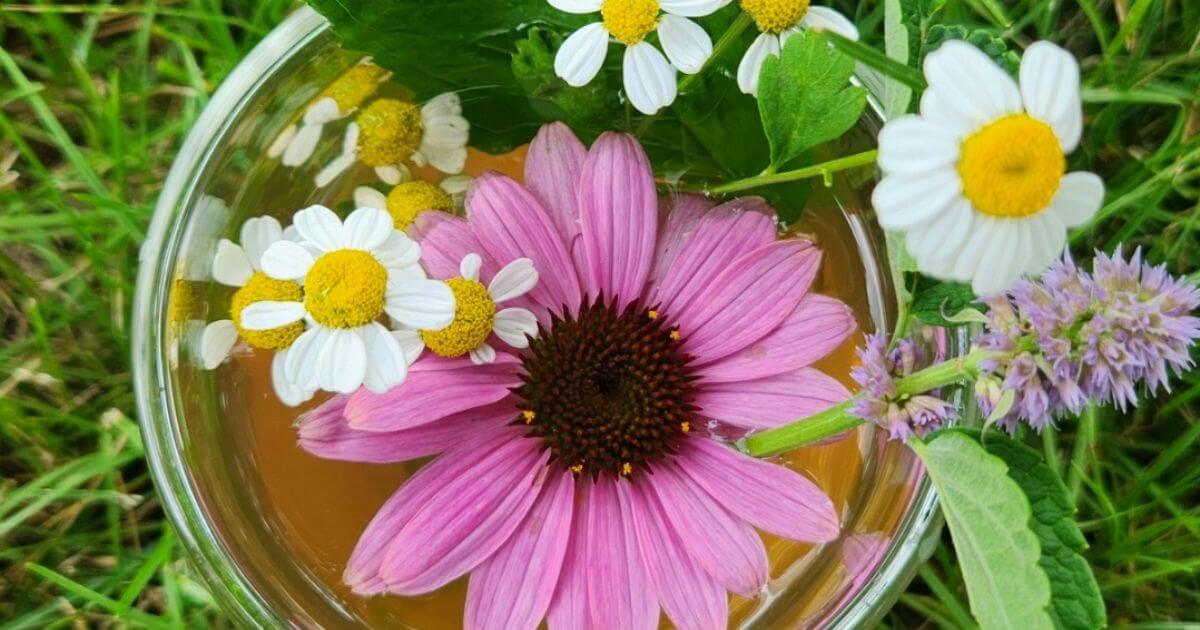
Discover the Joy of Herbal Tea from Your Northern Garden
As the seasons change, tea enthusiasts and gardeners in zones 3-5 have a unique opportunity to explore the flavors and benefits of herbal teas made from fresh or dried leaves harvested from their gardens. Plants like lemon balm, echinacea, roselle, wild geranium, yarrow, feverfew, bee balm, and anise hyssop thrive here, offering ingredients for delicious, soothing teas easily brewed with hot water.
Tips for Successful Tea Crafting in Northern Climates
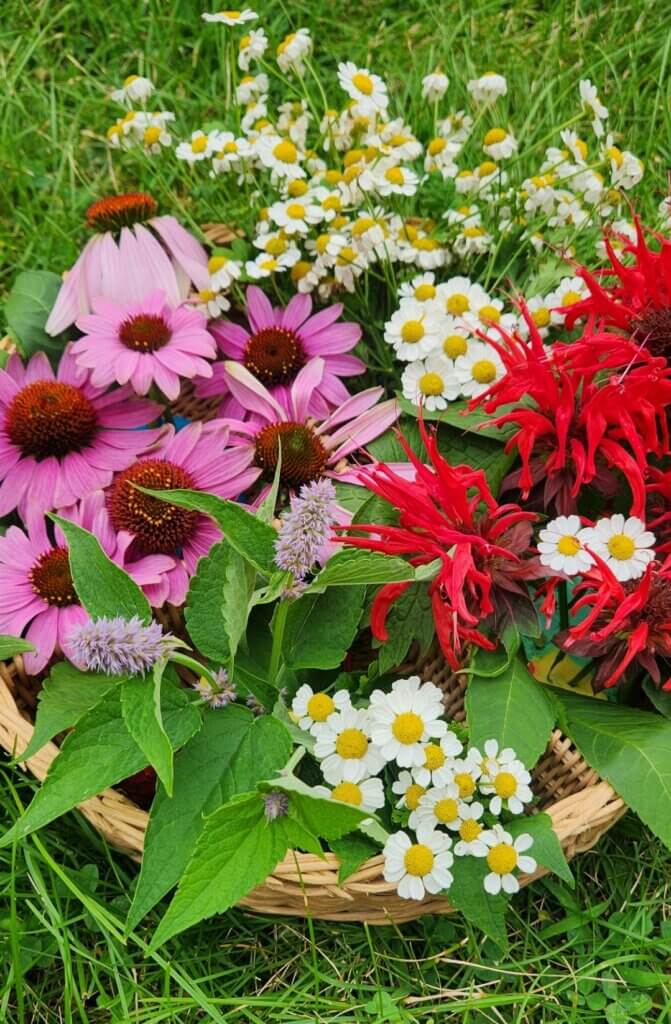
Herbs can be gathered from spring through autumn, maximizing the harvest season. Use cooler temperatures to harvest herbs like yarrow, wild geranium, and bee balm. Their flavors intensify as temperatures drop, making them perfect for warming autumn teas.
Drying Techniques: To preserve the aromatic qualities of herbs, air-dry them by hanging them in bundles or using a dehydrator on low heat. After drying, store them in airtight containers in a cool, dark place to maintain their flavors.
Steeping Times: Adjust steeping times based on the herb’s robustness. Delicate herbs like wild geranium require shorter steeping (3-5 minutes), while robust herbs like yarrow can steep longer (10-15 minutes) for a stronger infusion.
Harvesting and Preparing Your Herbal Drinks
Lemon Balm Tea
Ingredients: Fresh lemon balm leaves or dried lemon balm, water
Optional: Honey, lemon slices
Harvesting: Gather fresh lemon balm leaves in the morning when their oils are most potent. For drying, carefully cut stems and hang them upside down in a cool, dry place away from direct sunlight until thoroughly dry.
Brewing:
- Fresh Leaves: Use 2-3 teaspoons of fresh leaves per cup of boiling water. Steep for 5-10 minutes.
- Dried Leaves: Use 1-2 teaspoons per cup of boiling water. Steep for 5-10 minutes.
Add-ins: Enhance with a touch of honey or a squeeze of fresh lemon to complement the citrusy notes of lemon balm.
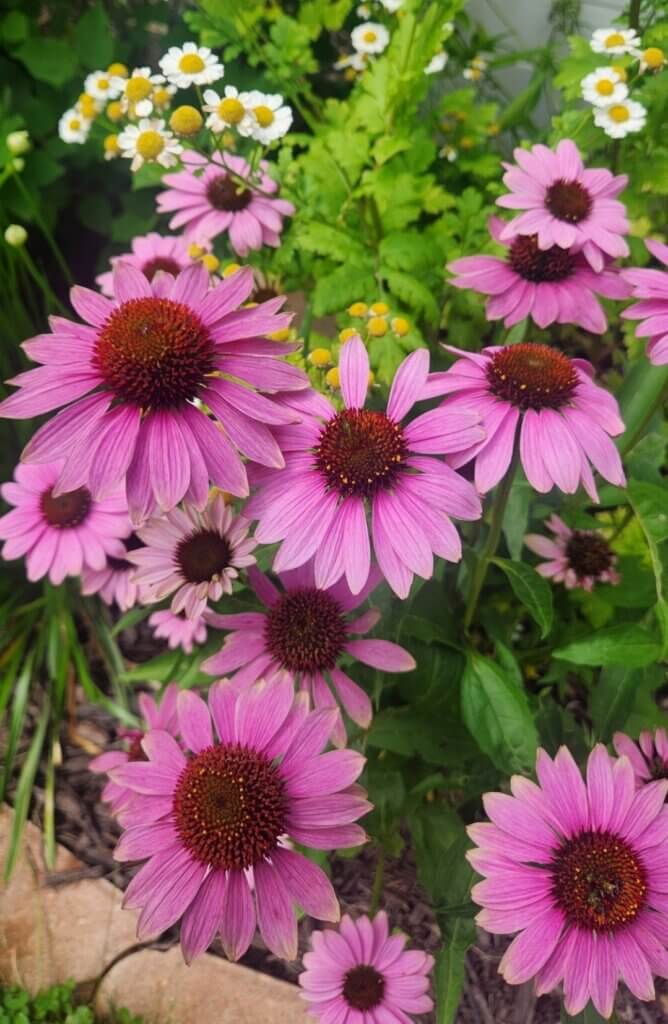
Echinacea Tea
Ingredients: Dried echinacea leaves or roots, water
Optional: Honey
Harvesting: Collect fresh echinacea leaves or roots. Dry the leaves by spreading them in a single layer on a drying rack or screen in a well-ventilated area out of direct sunlight.
Brewing: Use 1-2 teaspoons of dried leaves or roots per cup of boiling water.
Steep for 10-15 minutes to extract the beneficial compounds fully.
Add-ins: Sweeten with honey if desired to balance the slightly bitter taste of echinacea.
Fun drink ideas using fresh and muddled herbs
Herbal Garden Fizz
Ingredients: Lemon balm, anise hyssop, yarrow, 2 oz vodka, elderflower syrup, soda water, ice
Method: Muddle a few leaves of lemon balm, anise hyssop, and yarrow in a cocktail shaker. Add ice, 2 oz vodka, and a splash of elderflower syrup. Shake well and strain into a glass filled with ice. Top with soda water and garnish with a sprig of anise hyssop.
Roselle Lemonade Muddle
Ingredients: Fresh roselle petals, lemonade, honey (or simple syrup), soda water, ice
Method: Muddle fresh roselle petals in a cocktail shaker. Add ice, lemonade, and honey (or simple syrup). Shake well and strain into a glass filled with ice. Top with soda water and garnish with lemon slices and roselle petals.
Savor the Seasons with Your Own Herbal Teas
Creating herbal teas from your northern garden adds a personal touch to your tea ritual, connecting you deeply with the seasons and flavors of your region. Whether enjoying lemon balm’s minty notes or echinacea’s immune-boosting properties, each cup reflects your garden’s care. Embrace the therapeutic benefits and diverse flavors of homegrown herbal teas, letting the changing seasons inspire your next tea-making adventure.
Amy Kainz is an organic flower and vegetable gardener specializing in pollinator-friendly landscaping in central Minnesota.

Is there a more specific resource for choosing the flower or leaf or root for teas?
How long do you need to dry
To touch, a week a month?