



Foraging for Edible Native Plants
Forests of the northern Midwest offer more than just a beautiful environment—they also represent an opportunity for small-scale food foraging. Not only is foraging fun and filling, it can help you feel a closer connection to nature and to the people who came before you. Here is a list of potential foraging opportunities, though certainly not a complete list.

Identifying plants safe for foraging
It goes without saying that you must have a 100% positive ID of your plant before foraging. Learn what it should look like, when and where it grows, and study any unsafe look-alikes. A good guide book can help. Then double-check local and state restrictions or rules on foraging; for example you may need a permit to forage certain species in Minnesota state forests. Finally, be sure you know exactly where you are so you don’t accidentally trespass on private property or lose your bearings. Foraging should be fun, and being careful is part of that process.
Foraging for ramps
We start with ramps because they’ve gained such popularity in the food world, where the relatively short growing season makes them a culinary treat. In the northern Midwest, ramps tend to be one of the first plants growing in the spring, filling the forest floor with a beautiful bright green color almost as soon as the snow has departed. It can be quite delightful to see the fresh green shoots arriving while the rest of the forest floor is still a faded brown. Ramps are in the allium family—sharing attributes of leeks, onions, garlic, and chives. Ramps are amazingly fragrant and produce a delicious onion/garlic aroma.
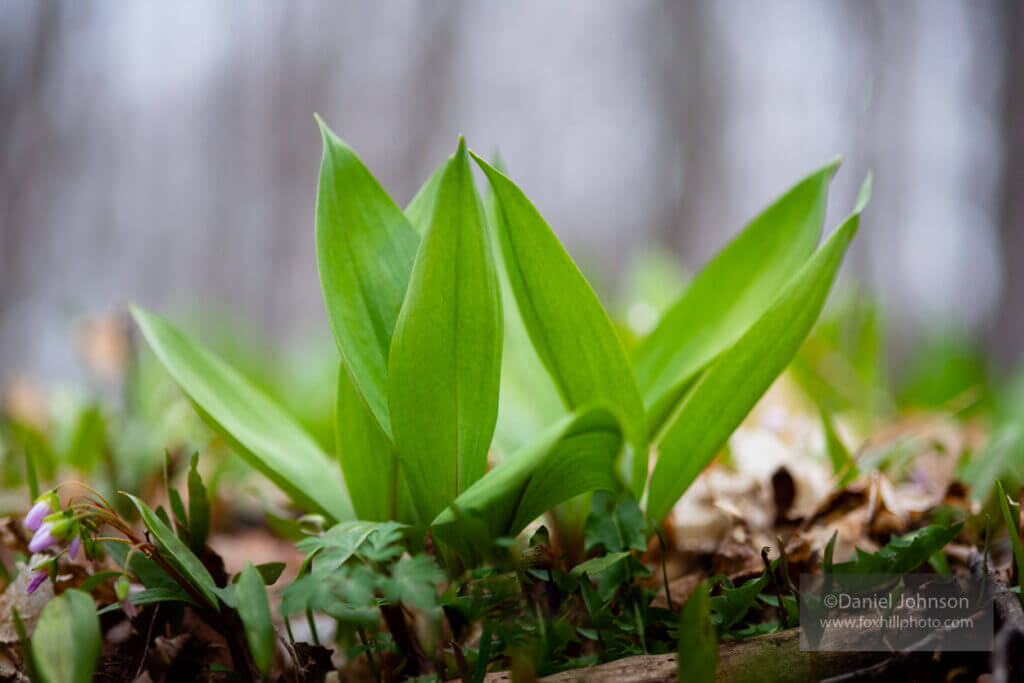
While the bulbs of ramps can be harvested and enjoyed in a manner similar to onions, there is also a ton of flavor in the leaves. And since it takes several years for ramps to establish themselves, carefully removing the leaves for enjoyment and leaving the bulbs intact helps ensure the population of ramps remains strong for the future. Some chefs incorporate ramp leaves into elegant dishes, but you can also enjoy them when simply sautéed in butter or oil.
Ramps once grew so thick around southern Illinois that Native Americans called that area by their word for ramps, “shikako,” which has since been altered into “Chicago.” Today you’ll find ramps growing on the floor of deciduous hardwood forests.
Collecting maple sap
Sometimes foraging opportunities are hidden in plain sight. Sugar maple trees are large and majestic, but they are undoubtedly plants, and you can definitely “forage” their sap in the spring. Collected raw sap is surprisingly watery—basically 2% sugar water—so creating syrup requires the somewhat technical boiling-down process to retain the sugar and remove much of the moisture.
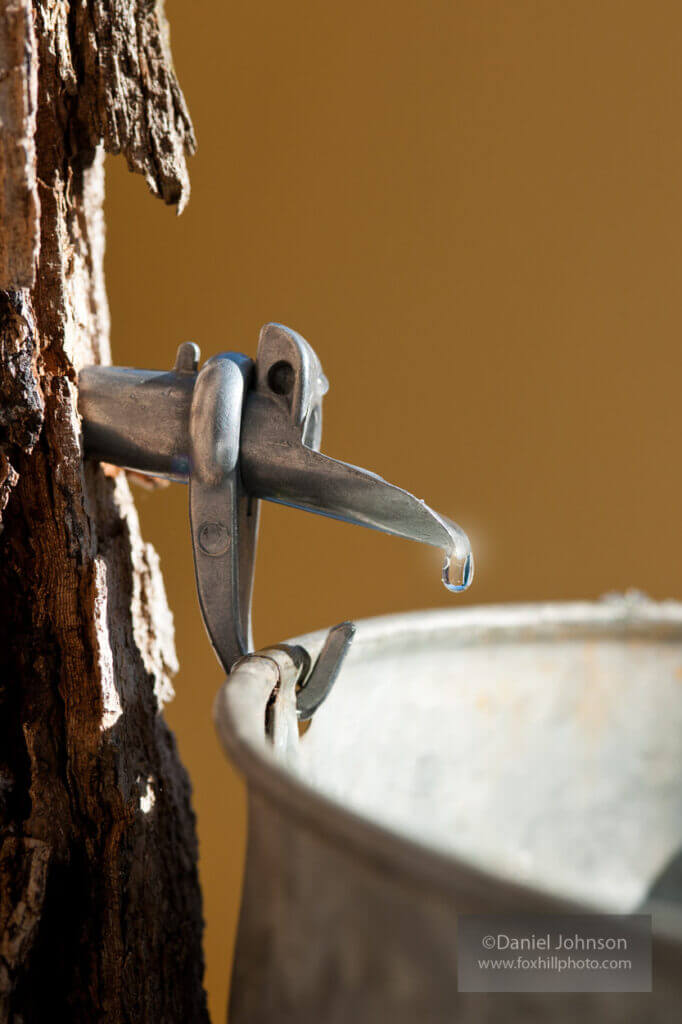
You can also use a similar process to make maple candy. But the true foraging purist might enjoy simply drinking the sap as is, consuming it as slightly flavored water beverage. This is quite popular among some maple fans, though you should still boil your maple water long enough to kill any bacteria before enjoying. If you lack sugar maples, birch trees can also work, though the sugar content here is less.
Looking for wild raspberries and blackberries
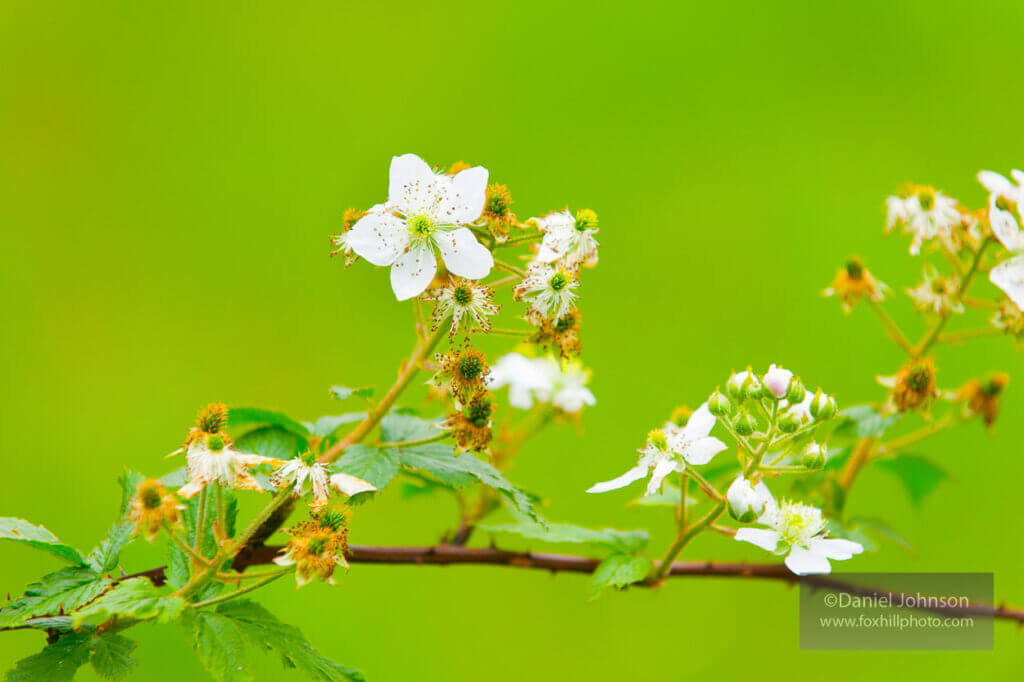
Wild raspberries and blackberries are enjoyable because they’re easy to identify, tasty and can produce an appreciable amount of fruit without any human assistance.
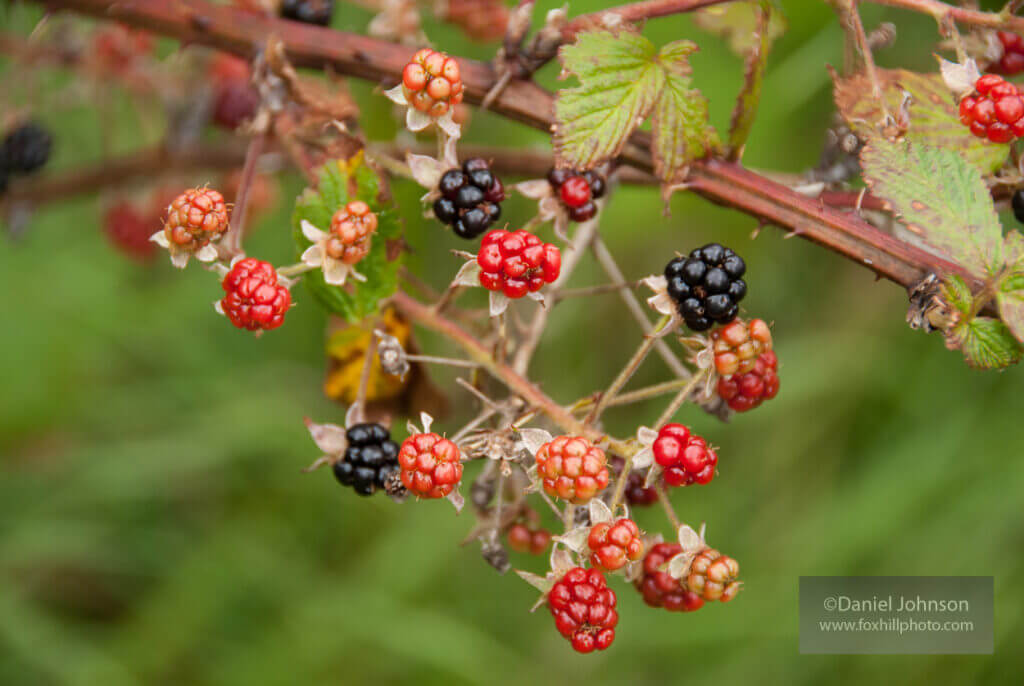
Patches tend to ebb and flow over the years, and places where you once foraged successfully may fade away five years later. But generally, raspberries and blackberries enjoy the edge zones where fields blur into forests. Wild blackberries in particular can produce large fruit and make a perfect autumn treat.
Blueberries in the wild?
You might be lucky enough to find a patch of low bush blueberries growing in the wild. Wild blueberries are normally much smaller than the domesticated varieties, but they’re still quite tasty and fun to forage. Blueberries prefer areas of the woods that are open to sunlight, but they need highly acidic soil, so you’ll often find them growing in tandem with pine or spruce forests.
The wild world of mushrooms
Some people enjoy foraging common edible mushrooms like morels and chicken-of-the-woods when they are in season. These fungi can be a fun and tasty foraging diversion, but it’s wise to learn from someone experienced, as poisonous mushroom look-alikes can be quite dangerous. Mushroom harvesters must make sure they understand exactly what they are harvesting!
Keeping non-food items in mind
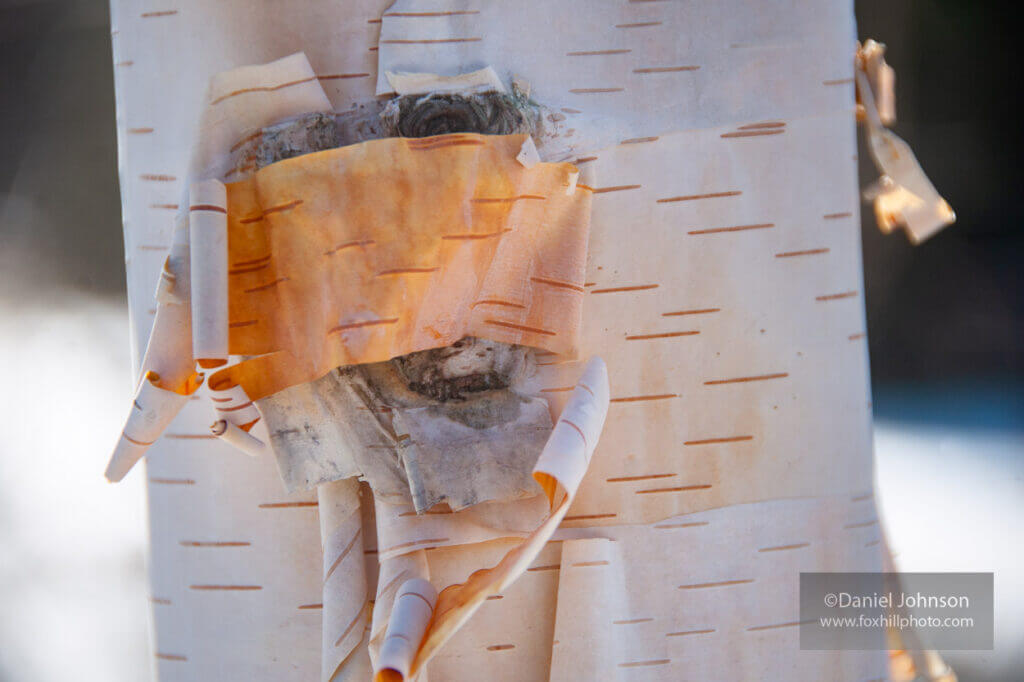
Your foraging fun doesn’t have to be limited to food! You can also forage simply for decorative items like birch bark (when done in a limited, sustainable fashion), club mosses like princess pine, wildflowers from the forest’s edge, and everybody’s favorite—pine cones. Any one of these can make a fun souvenir from a great day in the woods.

Daniel Johnson is a Wisconsin-based freelance writer, professional photographer and co-author of over a dozen books. See his garden and animal photography at foxhillphoto.com.
You may be interested in:
Plant Allium for Beauty and Garden Protection
If you’re looking for a solution beyond fencing to keep rabbits and deer away from your plants, onions can help. Allium is the genus for…
Plant Profile: Garlic Mustard
We usually profile plants that make a great addition to northern yards and gardens. Garlic mustard… not so much. But this is a plant you…
Plant Profile: Elderberry
A mature elderberry bush can provide you with ample sprays of elderflowers for making delicately flavored treats and syrup as well as a bountiful harvest…