


Winter Damage: Sunscald, Frost Cracks, Winter Burn and those Rascally Rabbits
We’re having a wild winter—buckets of snow, the occasional freezing rain and subzero temperatures (remember December?). Weather like this can be rough on trees and shrubs, because, unlike your perennials, most of them are not snugly buried beneath the snow.
Here are four common types of winter damage to woody plants and what to do about them.
Sunscald
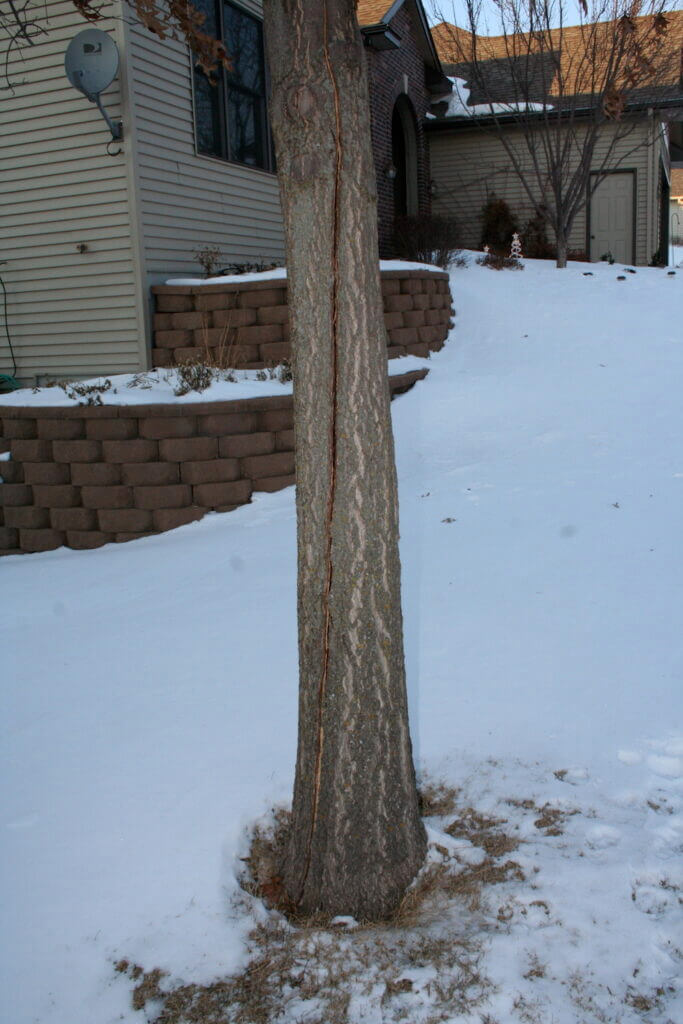
Also called frost cankers, sunscald is damage to the trunk of trees caused when the sun heats the bark of the tree, warming it enough to bring it out of winter dormancy. When the temperatures inevitably cool at night or the next day, the cells in the bark rupture. This can cause a round rupture in the trunk or a vertical crack. Sunscald cracks generally occur on the southwest side of the trunk and are most prevalent in thin-barked tree species, such as maples and fruit trees. Young trees are also more susceptible to winter damage. The trees may heal themselves in spring, but preventing the injury is best. This is why you may see young trees with white wrap around their trunks. The wrap reflects the light and prevents the bark from warming up. Another great idea is to plant something near the trees that will shade it in winter, such as an evergreen shrub.
Frost Cracks
Sometimes sunscald injury looks like a frost crack, but this is a deeper injury into the tree trunk. It occurs when temperatures fluctuate wildly, going from 40s to subzero, for example. It’s more likely to happen if the tree already had an injury, such as a nick from pruning or other damage. The crack extends into the stem of the tree. It may heal itself, or it may be the beginning of the end for the tree as bacteria and disease enter the crack.
Winter Burn
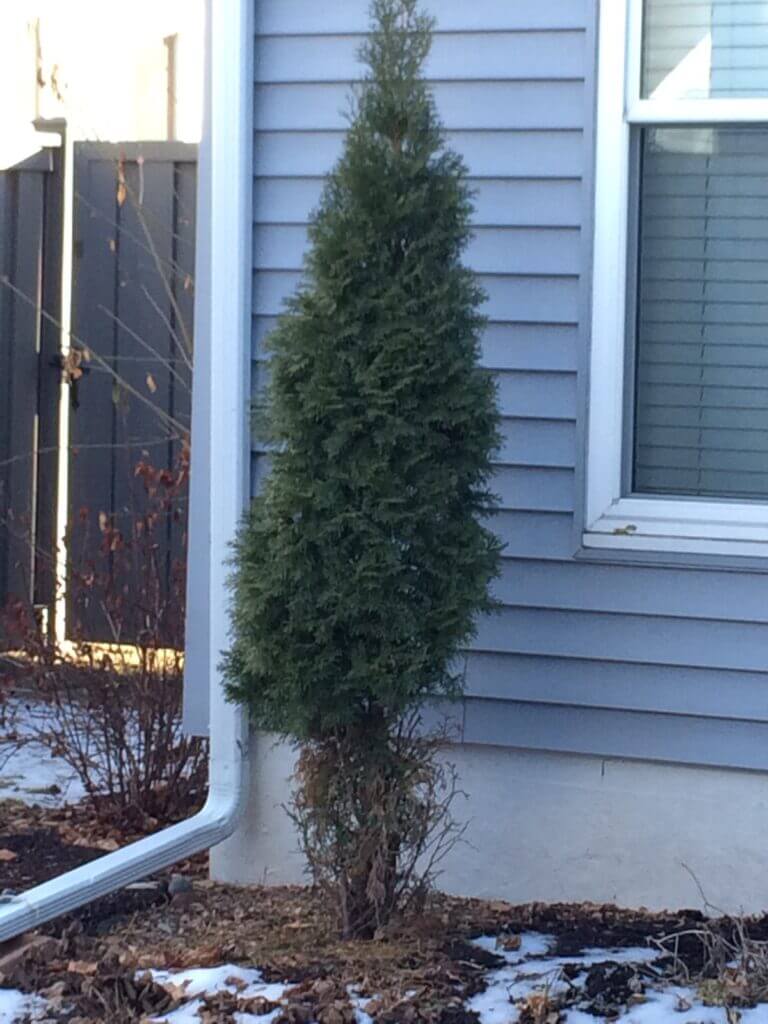
When an evergreen is green on one side and rust on the other, it’s probably suffering from winter burn. An abundance of factors can cause winter burn from a poorly established root system to the drying effects of wind and sun. In the spring, you can prune away the dead foliage and, depending on how extensive the burn is, it may grow back in. Young shrubs and trees are generally more susceptible. To prevent winter burn, be sure to plant shrubs and trees in conditions that work best for them. If a shrub likes shade, for example, do not put it in a spot that will be exposed to sun and wind. In foundation plantings, don’t do as I once did and plant an arborvitae near where the dryer vents—the hot air nearly killed it!
Rabbit Damage
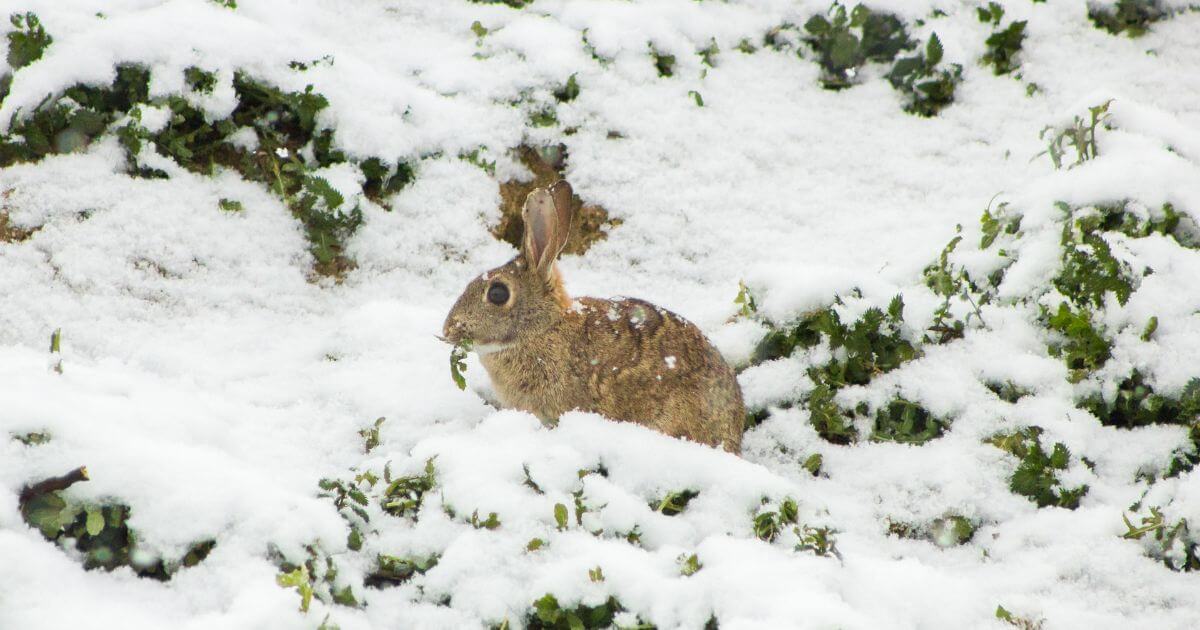
With all the snow we’ve had, bunnies are hungry and they may go after your shrubs. Rabbit damage is easy to spot because their sharp teeth leave a clean, diagonal cut. Wrapping the shrub with chicken wire or some other protection is the best way to prevent rabbits from getting at your evergreens and other shrubs. Though with the snow as high as it is in some part of Minnesota, you may need something even taller than chicken wire to prevent this type of winter damage!
While winter damage is discouraging, many plants will recover from it and go on to grow and bloom in spring.
Mary Lahr Schier is a longtime Minnesota garden writer.
You may be interested in:
Rabbit Damage: Can This Plant Be Saved?
As we dig out from this very snowy winter, we’re seeing lots of photos of rabbit damage to trees and shrubs. Whether fruit trees, evergreens…
Assessing Winter Damage
April really is the cruelest month for gardeners in the North. It’s the time when we see all the damage that has occurred over winter….
5 Tips for Late Frost Plant Protection
Picture this. It’s early June, you have a sprinkling of new seedlings in the ground and forecasters are predicting frost overnight. Don’t panic. It seems…