



Monstera—Everything Old is New Again
The Monstera has been enjoying star status as of late. In houseplant circles, it’s been a leading lady for decades. I remember my mom growing it up a wood stake in the 1970s, secured by old nylons. She called it a split-leaf philodendron, and it held court among the other plants. It’s botanically not a philodendron, but it is related, and no matter the nomenclature, it’s a bold, dramatic, showy houseplant that grows like crazy and will tolerate a variety of conditions. Whatever your light conditions, you can have a Monstera, though I will say from my experience, Monstera leaves in low light do not as readily slip and develop holes, and their leaves do not get as large.

When Monstera hit the tipping point of popularity a couple years ago, they were challenging to find and pricey when you did. Now, they are everywhere and affordable. They are prolific growers; once you have one, you can soon have several.
Monstera deliciosa
Monstera deliciosa is probably the most popular and the one most likely found at nurseries and garden centers. It’s the big one, and its massive and deeply notched leaves are showstoppers. The older the plant, the bigger the leaves and the more impressive the split, but even the fledgling ones are attractive with their deep green and glossy foliage. From my experience, the Monstera purchased in 10-inch pots will begin to split within six months.
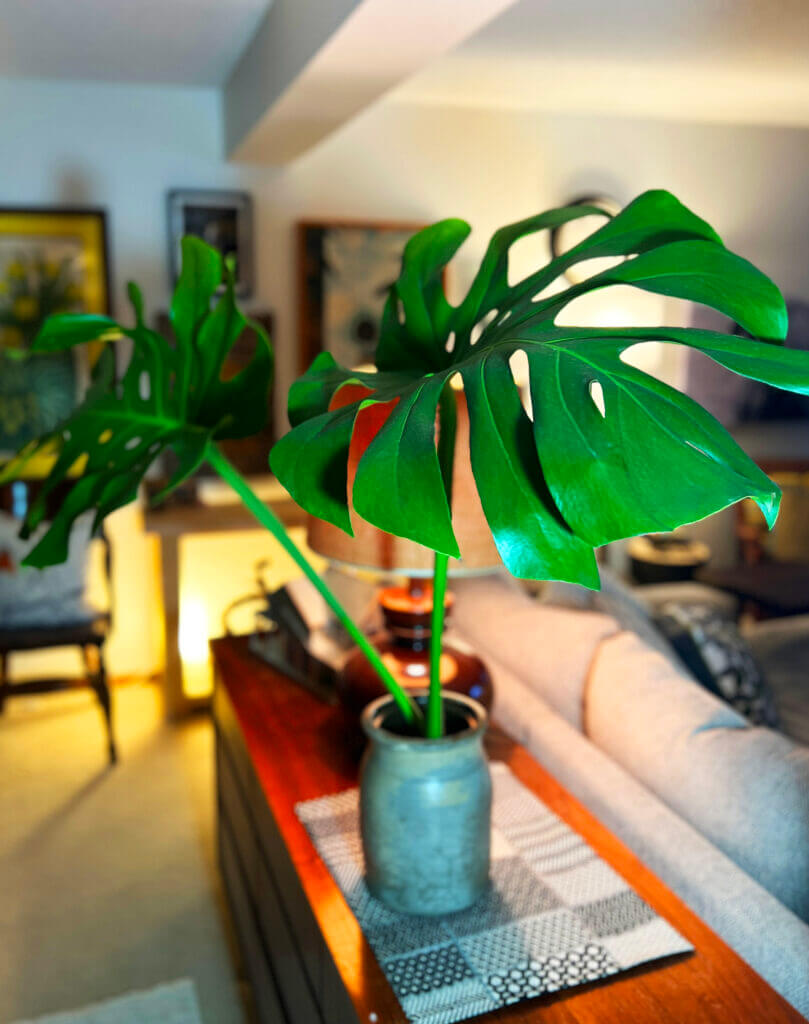
Native to Central America, Monstera produces roots along its stem; in its natural habitat, it will attach these roots to trees and grow vertically. The roots grow almost comically long. Last summer, I brought a Monstera out to the patio to spend the summer. It was in a planter four feet off the ground, and it sent roots long enough to reach the ground, and this monster sent these roots so aggressively into the soil it took several pulls to yank them out. Try a Monstera outdoors for the growing season. It grew huge in bright, indirect light and garnered oohs and aahs as a focal point.
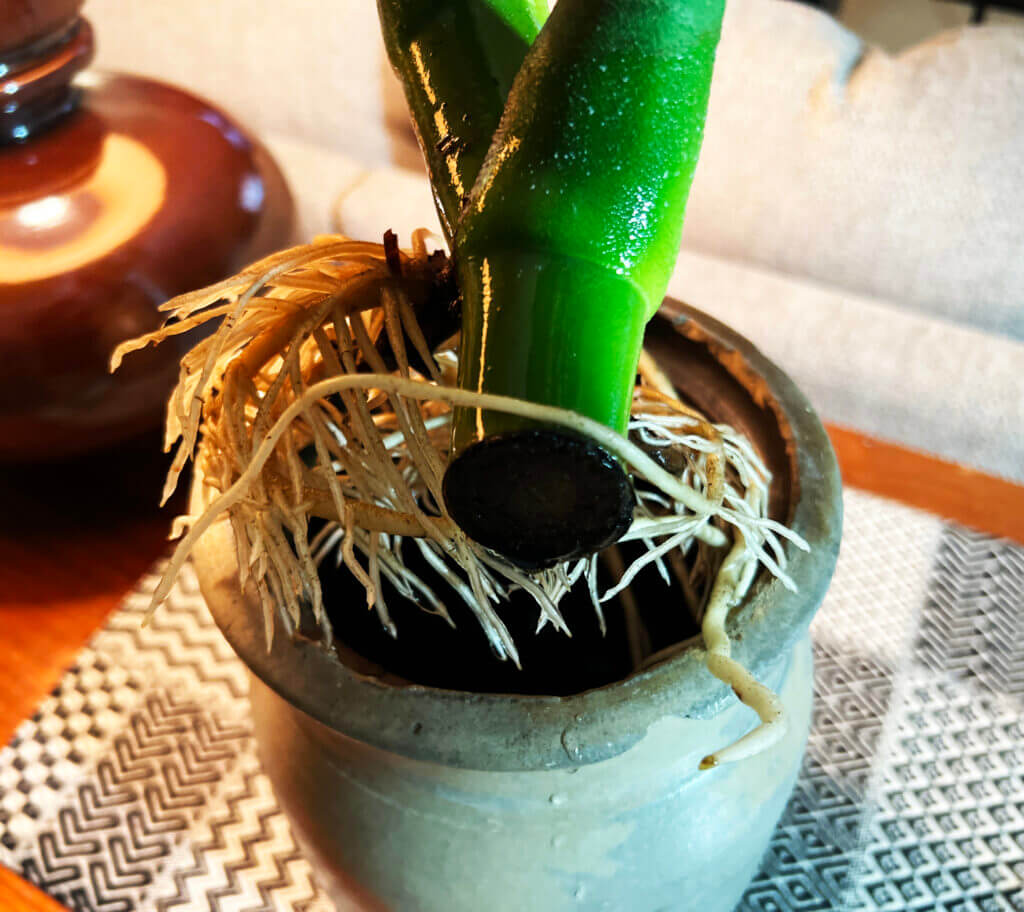
Along the stems of older plants can be found little root nubbins. To make more plants, take a cutting from the stem that includes one of these bumps, place it in water, and it’ll be ready for planting in a couple of months. Because Monstera grows like crazy, you will likely need to take cuttings to keep your Monstera in check. Make more plants for yourself or give them to friends. If you have the space, a monstera will grow nicely up a moss pole or wood stake. You can research online how to do this.
Monstera adansonii
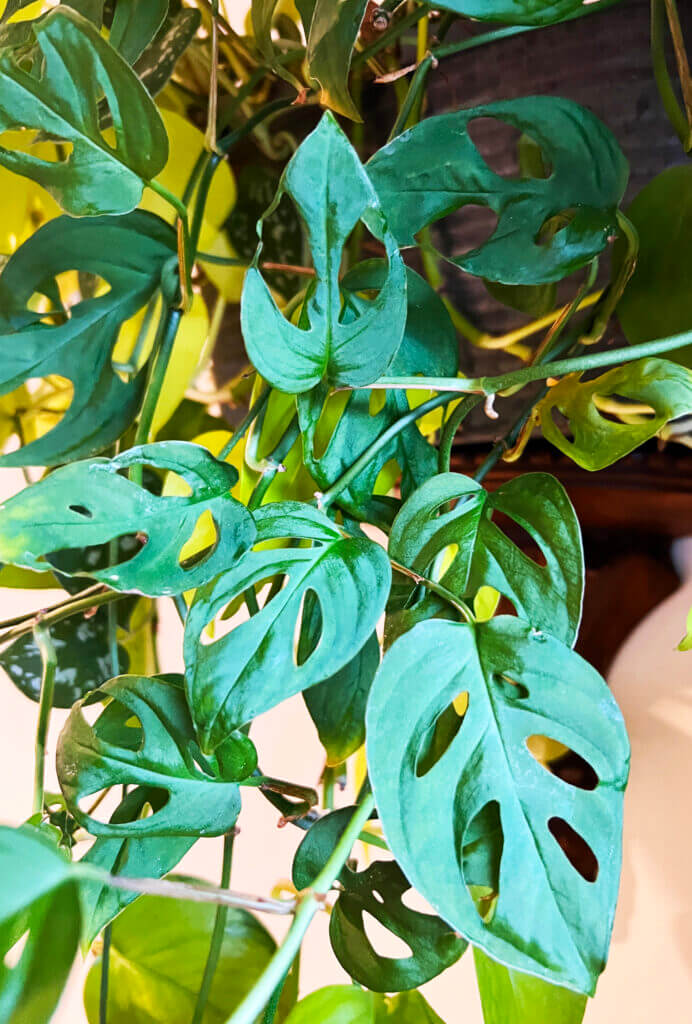
This variety is the smaller, spiller variety that is equally striking. Its leaves actually appear holier than deliciosa and almost lace-like. Though Swiss cheese plant is the common name for both types, it fits Adansonii more. Grow this one like other trailing plants (pothos, ivy) and like these plants, trimming the ends will send energy upwards and make a bushier plant.
Water Monstera when the soil is dry an inch down. If it’s well-drained, it will be fine on the slightly moist side, and though it loves humidity, it will adapt to any situation you present. It’s a versatile houseplant that will be a star performer in your interior landscape.

Eric Johnson is a longtime contributor to Northern Gardener, blogger and lifelong gardener in Roseville, Minn.
Thanks for at memory of my first home. We filled spaces with plant before $ for furniture?⚖️.