



Five Unexpected Fall Flowers for Northern Gardens
Some plants reliably look good in a northern fall garden. Asters, goldenrods, sedums, maybe a Russian sage and some grasses. Add a hydrangea with big, blousy blooms and you’ve got a great fall garden in Minnesota. But what if you want something a little different, something with unexpected fall flowers and color?

Here are five plants that grow well in the North, bloom in September (and maybe October) and produce unexpected fall flowers.
Hardy Hibiscus tend to emerge very late in spring, then bloom in late summer and into early fall. The blooms look so tropical that it’s hard to believe these plants return year after year in USDA Zone 4. Most hardy hibiscus (also called rose mallow) on the market are hybrids – and these are the ones that do well in our climate. I’ve had luck growing those in the Summerific® series from Proven Winners. The plants grow best in full sun (6 or more hours a day) with consistent moisture. Growers recommend cutting hibiscus back in spring and mulching it heavily during the first winter. Hardy hibiscus come in flower colors from bright white to deep fuchsia, and leaves from green to nearly black. This is a dramatic plant for the fall garden!
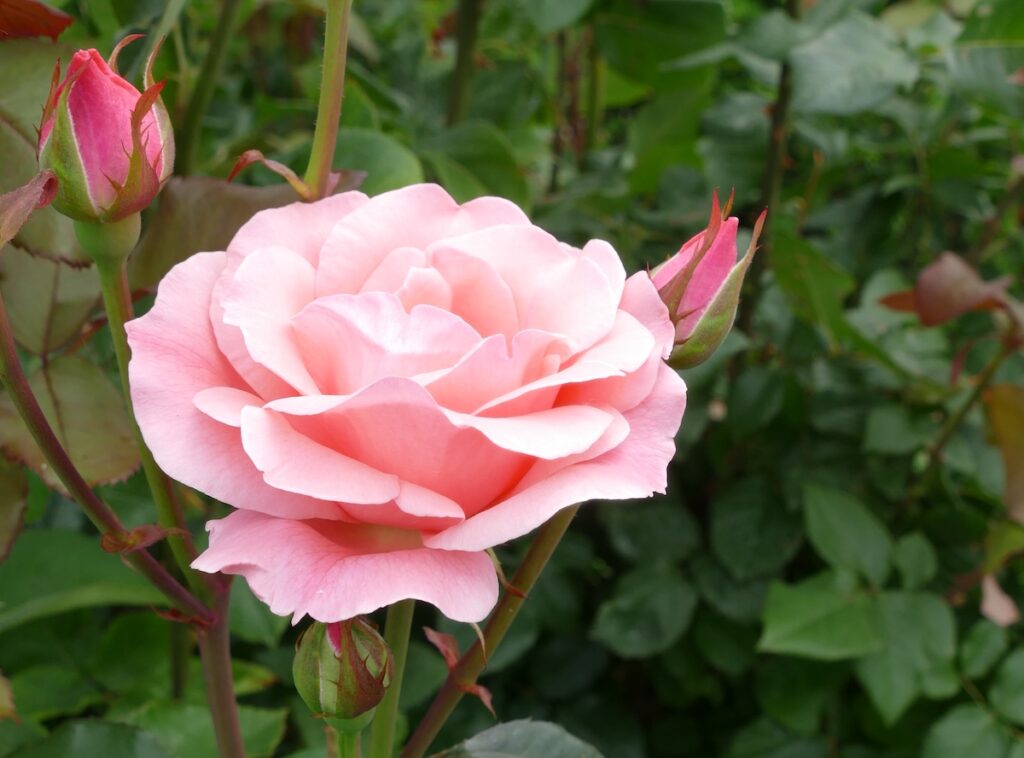
Roses are a June plant and Japanese beetles decimate your roses in July, I know, but hear me out. Many reblooming roses put on a great fall show throughout Minnesota. (For proof, visit the Duluth Rose Garden in fall—stunning!) The hort society had great luck growing roses such as ‘Sven’ and ‘Day Dream’ in its Minnesota State Fair garden. Try those varieties or any of these sustainable roses, which are being tested specifically for the North. Many grow very well in USDA Zone 3. The Minnesota Landscape Arboretum also has a rose garden worth a visit late in the season to see which roses will continue provide unexpected fall flowers.
Turtlehead. White turtlehead (Chelone glabra) is native to the eastern part of Minnesota, but the deep pink hybrid ‘Hot Lips’, (C. lyonii ‘Hot Lips’), is a late summer star in my garden that attracts bumblebees by the hundreds. Turtlehead is one of those perennials that secretly thinks it’s a shrub. It will easily grow 4 feet high and almost as wide. Starting in early September, the flowers emerge, and they really do look like the heads of turtles. It’s fun to watch bees climb into the blooms, then emerge covered in pollen. This one is hardy to USDA Zone 3, so far northern gardeners can enjoy it. Bonus: it grows well in shade.
False Aster. I can’t write about unexpected fall flowers without mentioning my favorite September surprise-false aster (Boltonia). These Minnesota natives can grow up to 5 feet tall and often do not bloom until September. Then they burst into bloom with daisy-like white and gold flowers. They are usually covered with bees. I’ve grown them as a hedge along my back alley. They are not fussy about soil but like some sun. Be warned, however: They do like to spread, so either give them room or prepare yourself to pull some plants in the spring.
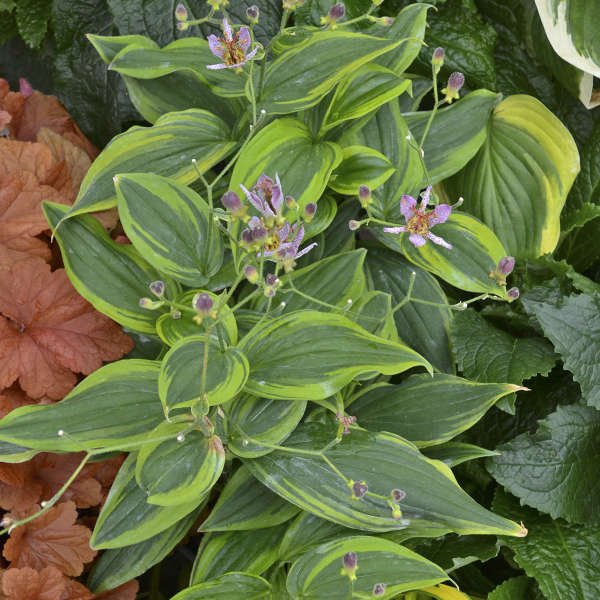
Toad Lily. Another shade-tolerant fall bloomer is toad lily (Tricyrtis hirta or Tricrytis formosana). Hardy to zone 4, this plant features small, showy blooms in shades of white, cream and pink. It reminds many gardeners of orchids. It works best planted where you will see it at close-range because of the flowers’ small size, though the leaf shape and variegation are also a point of interest. It grows best in part-shade to shade and in rich, slightly acidic soils.
Which are your favorite fall flowers?
Mary Lahr Schier is a freelance garden writer and blogger and recently retired as editor of Northern Gardener® magazine. Follow Mary on Instagram at @mynortherngarden_mary.
Thanks very much for identifying plants which are native to the state. I prefer them to other cultivars. Because I live in the eastern woods, I am on the lookout for shade-tolerant native plants. When I asked someone what was available for research, I was told to go to Wisconsin, which was not helpful.
Check out Prairie Moon Nursery online. They have a lot of information, and you can input your soil type, moisture, amount of light, etc. Then suggestions for your site come up. It is native plants. I believe they are based in Wisconsin, but I think you can input your location/region.
Thanks
Thanks, Mary! I have all but toad lily, and need to add that to my collection. With winter coming, these fall flowers are so welcome.
Wow! Very very nice information. Really awesome information and helpful post. It is possible to learn somethings good from the post. Thanks for helping for good information.