


Methods for Cutting Back Perennial and Annual Flowers
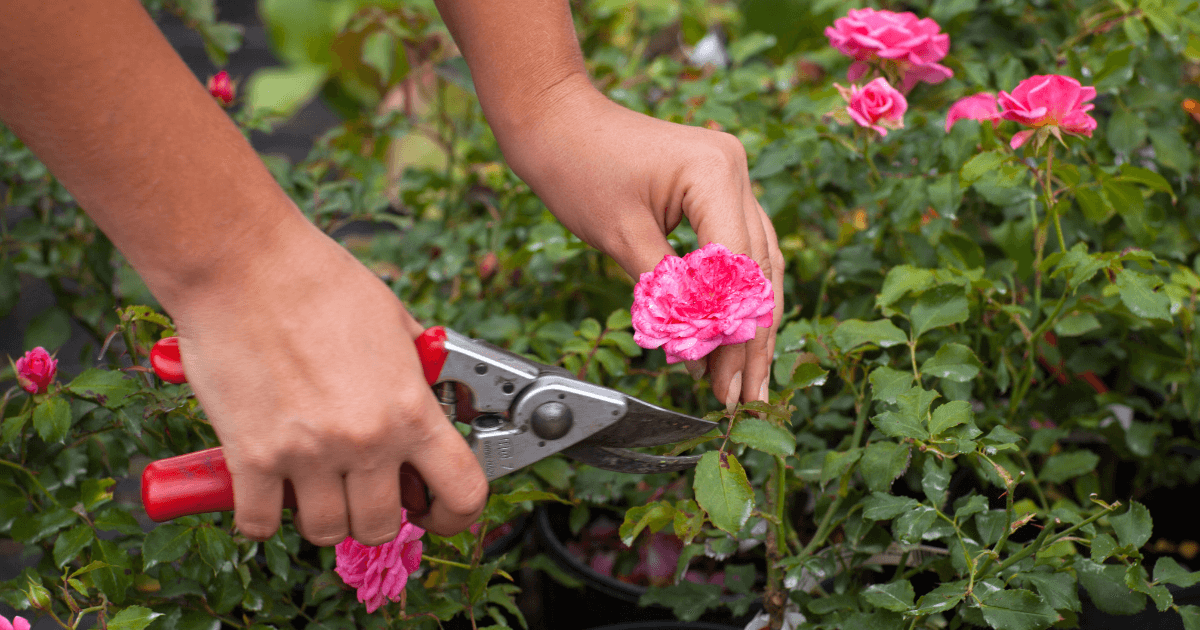
By midsummer, your early-blooming native plants may be looking scruffy. It’s time for haircuts! Many perennials and annuals benefit from trimming back or selective pruning in midsummer. Reasons for doing the pruning vary as does the severity of the haircut.
Whenever you prune, make sure your scissors, hand shearers or bypass pruners are clean to avoid spreading diseases from plant to plant.
Cutting back after flowering
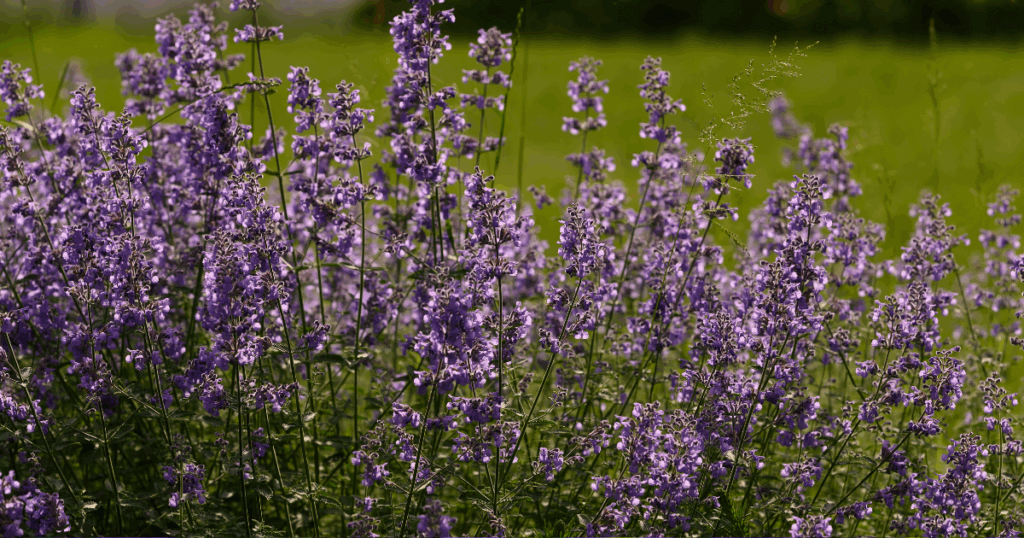
For perennials that bloom early in the season a serious snipping back after first flowering will make the plant look neater and may encourage a second round of blooms. Perennial geraniums, catmints (Nepeta), coreopsis, pinks, wild sweet William, bearded iris, and spotted deadnettle are among the plants that benefit from being cut back to about half of their size after flowering. This keeps plants upright, rather than sprawling in the garden. Some flowering shrubs, such as spirea, also can be cut back to remove dead flowers and encourage another round of blooming.
Annual flower pruning
While you are cutting back your mounded perennials, take a look at the annuals in your beds and containers. If you see lone flowers coming off of long stems, it’s time for cutting back. Many annuals are refreshed by a midsummer trim and will look nice well into fall. If you have not been doing it regularly, now is also a good time to give annuals in pots some fertilizer.
Cutting back before blooming
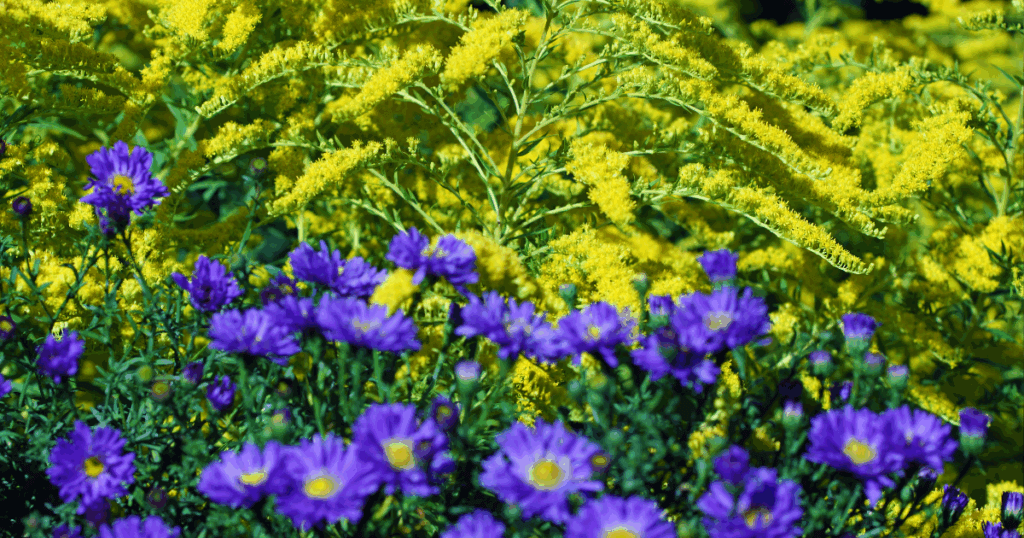
Fall-blooming natives like asters and goldenrods are the most common plant needing this kind of trimming, sometimes called the “Chelsea chop“. The idea behind pinching or cutting back is to create a bushier plant, as new shoots often emerge in response to pinching. Bushier plants equal more flowers and a more rounded shape instead of the wild, floppy appearance these plants can take in autumn.
Deadheading
Think of this as a contemplative task that needs to be done every few days. Just take a walk around the garden, pruner in hand, and remove the blooms (both annuals and perennial natives) that look dead and scraggly. It’s probably the easiest and quickest way to improve the appearance of your garden. Another reason to deadhead regularly: It prevents plants from setting seeds, which may become unwanted plants in your garden next year.
You may be interested in:
Grow a Cut Flower Garden
With farmers’ markets overflowing with beautiful bouquets of local flowers, it seems everyone is thinking about adding a cutting garden. Even a small 4-by-4 foot…
Should You Still Deadhead?
As we get passed the middle of August (arghh!!), it’s time to consider whether to deadhead or not. Deadheading is the practice of removing the…
Which Perennial Salvia is Best for Your Garden?
Dozens of salvia varieties grow beautifully in containers or in the ground as annuals. But come frost, they’re done. Some salvias, however, will overwinter in the…