

August Garden Checklist for Northern Gardeners
Updated for 2021
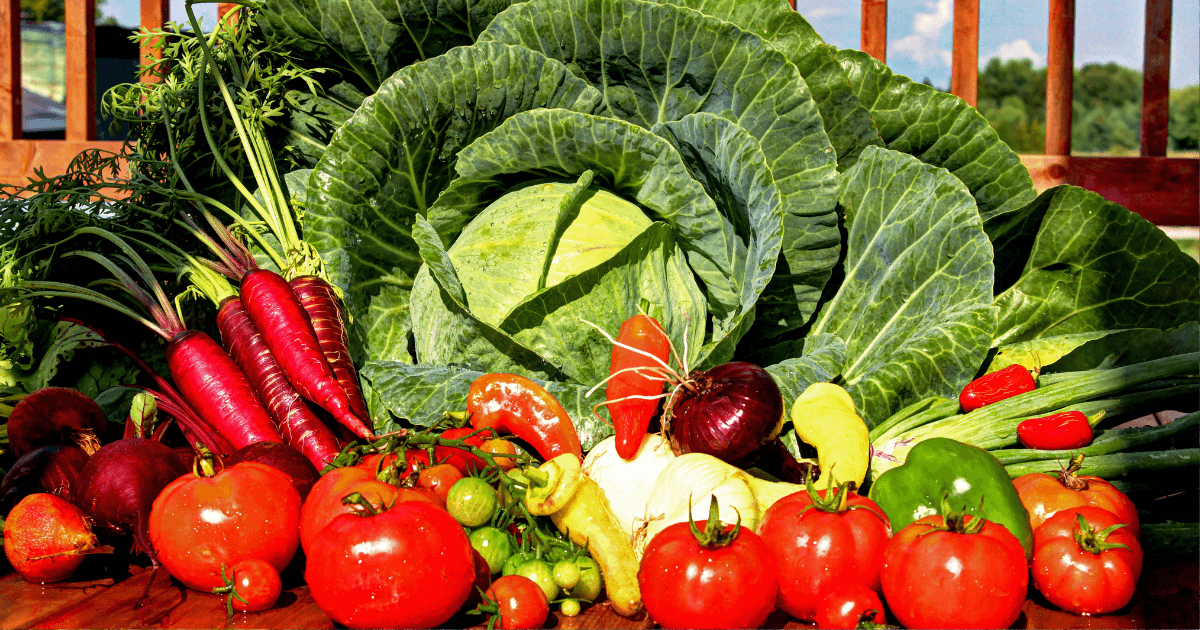
August is the month when many of your garden efforts come to fruition—generally in the form of tomatoes, peppers, melons, eggplant, corn on the cob and other goodies. This is the month when much of your attention is focused on picking, preserving and sharing vegetables. A heatwave may have affected your vegetable garden a bit—with slow to ripen tomatoes and oddly shaped cucumbers—but hang on, things will ripen eventually.
Keeping up with harvesting your vegetables is probably the No. 1 August garden chore. Picking vegetables when they are ripe will encourage plants to continue to produce. What else to do this month in the garden?

Water wisely
In addition to hot temperatures, August can be a time of extreme drought. Normally, in June and July, Minnesota gardens get close to 9 inches of rain. While rain amounts have varied depending on storms, it’s important to continue to water mindfully given how stressed our state’s water supplies are becoming.
Remember: Many cities have watering restrictions. The basic advice to water early in the day, water at the base of the plant and keep water in gardens (not roadways) goes a long way toward conserving resources.
Monitor for pests and diseases
By the end of the month, some of your tomato plants will look horrible. It’s not unusual to have blight now. Just keep harvesting and pull the plant when it stops producing. If you are not sure what is wrong with your plant, check out the U’s What’s Wrong with My Plant website. It’s very helpful!
Share the harvest
You know your neighbor has been looking over the fence at your tomatoes or peppers. Share with friends and family—it’s what gardening is all about. More than half of the community gardens that work with our Minnesota Green program have a plot set aside for sharing with a local food shelf. Gardeners really are giving people.
Start some fall crops
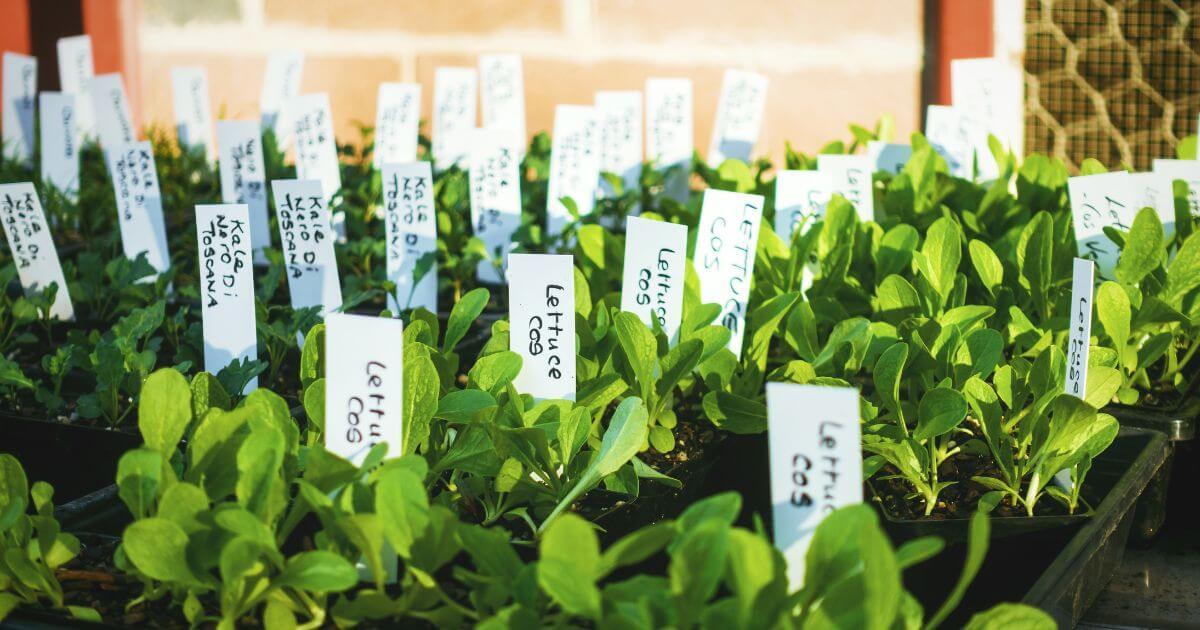
If you like to stretch the season, add starting some cool-season crops to your August garden chore list. You can start them indoors to avoid heat stress on young seedlings or outside, maybe in a shady spot. Leaf lettuce, kale, radishes, spinach or other greens can be planted in early August for a September harvest in most parts of the state.
Keep Weeding
Whether you are growing vegetables or ornamental plants, continue to weed throughout August and beyond. For plants in the ground about an inch a week from rain or the hose is best. Water deeply rather than frequently. Container plantings especially need regular (usually daily) watering.
Divide iris and other spring bloomers
Late summer is a good time to divide iris, peonies, allium and other spring-blooming perennials. This useful guide from the University of Minnesota suggests the best time and how to divide common perennials. Be sure to give newly planted perennials plenty of water.
Order bulbs!
While most bulbs aren’t planted until September, now is a good time to order bulbs if you want particular types. The bulbs will be sent to you in plenty of time to plant in our zone.Give annuals a haircut.
If you annuals are looking a bit scruffy, now is a good time to pinch them back or give them a solid trim. Keep them watered and fertilized, especially if they are in containers, and they will bounce back and keep blooming right up until fall.Buy a fall bloomer.
If your garden looks great in early summer then slumps, perk it up with a mum, aster or other fall plant that will add some color. While most mums sold in nurseries are basically annuals, asters can be planted for next year and beyond. (The pollinators will thank you!)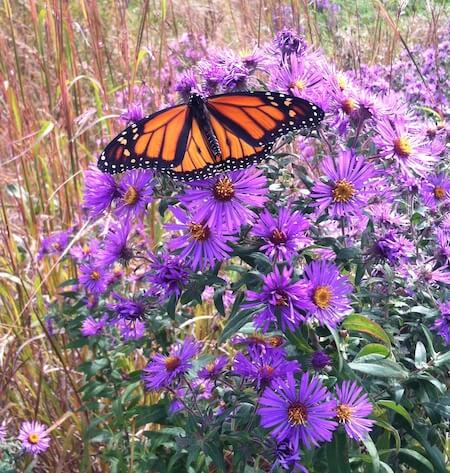
Do some pre-planning.
August and September are good months to think about what you like and don’t like about your garden now. Take some pictures so when you are thinking about what to plant next year you’ll be able to look back on the garden as it really looked.

Wonderful advice. Thank you.
t water from the roof contains ecoli that is taken up by plants and can transfer that to humans if eaten. I have a large garden with no well in the area. I water from rain barrels and from the little lake nearby. Now that we are older, must I change that watering process? I’d have to give up my big garden as there is no land close to a well water source nearby.