


November Garden Checklist for Northern Gardeners
By the time we hit November, many gardeners are ready to throw in the trowel—or at least, clean it up and put it away. November is the last chance to get any garden chores you’ve been putting off done before the first permanent snow and the long winter. Here are some things you could get done, and a few that it’s too late to do.
Keep weeding
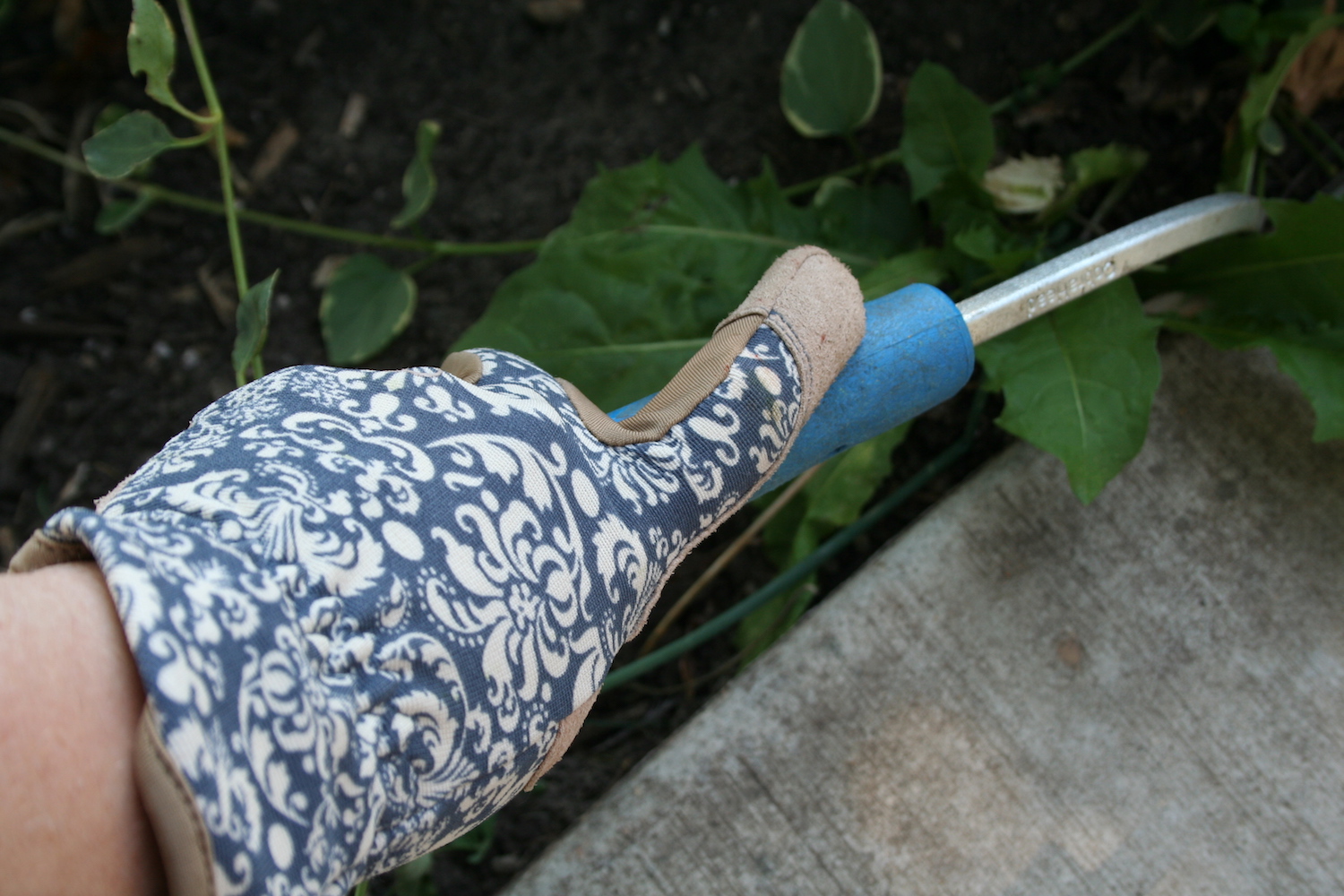
We have said this before, and no doubt will again: every weed you pull in the fall is 10 you won’t have in the spring. They aren’t growing much now, but as you remove dead foliage and plant debris, be sure to weed out any known bad actors.
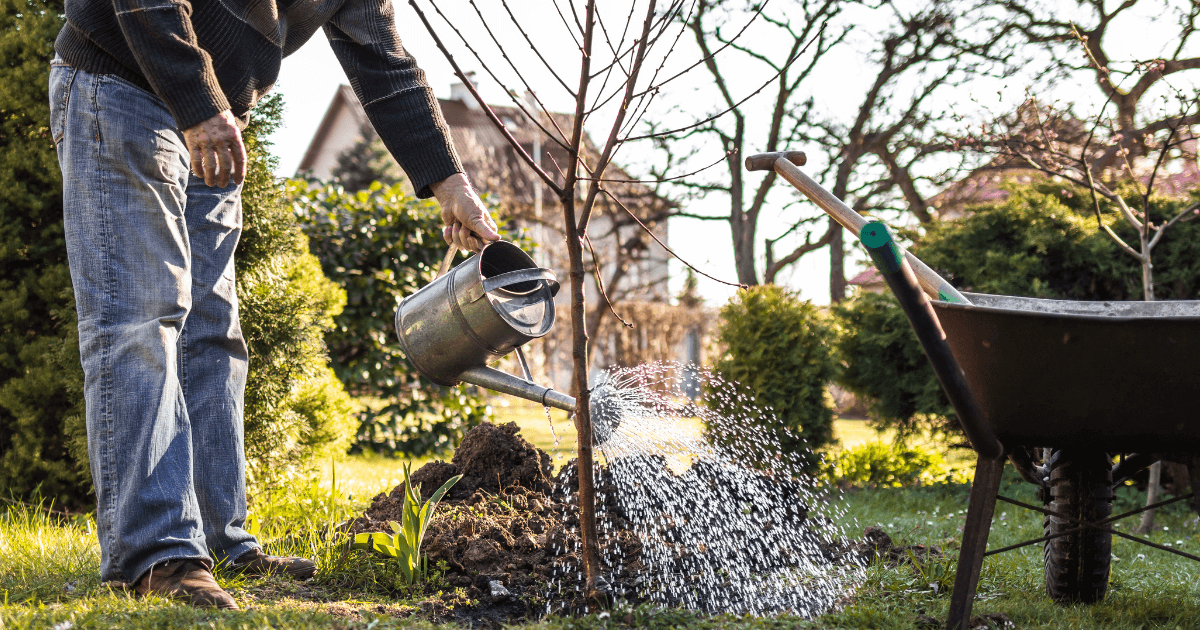
Keep watering
Cold November rain may be staving off drought and damaged plants, but it’s still a good idea to water new trees, shrubs or perennials until the ground is frozen. As long as they are not waterlogged, they benefit from the moisture and will be ready to grow next spring.
Rake leaves from lawn
This used to be the biggest of the garden chores of November, but more people are taking a relaxed approach. Leaves make a good mulch and a nice cover for some perennials, but too many leaves can cause trouble for lawns.
Rake heavy leaf coverage from the lawn, and use your mower to mulch the remaining leaves into the ground or rake/mow leaves onto garden beds. They make the perfect early season fertilizer. (Not sure if you should mow or rake? Check out the images in this blog post from the University of Minnesota.)
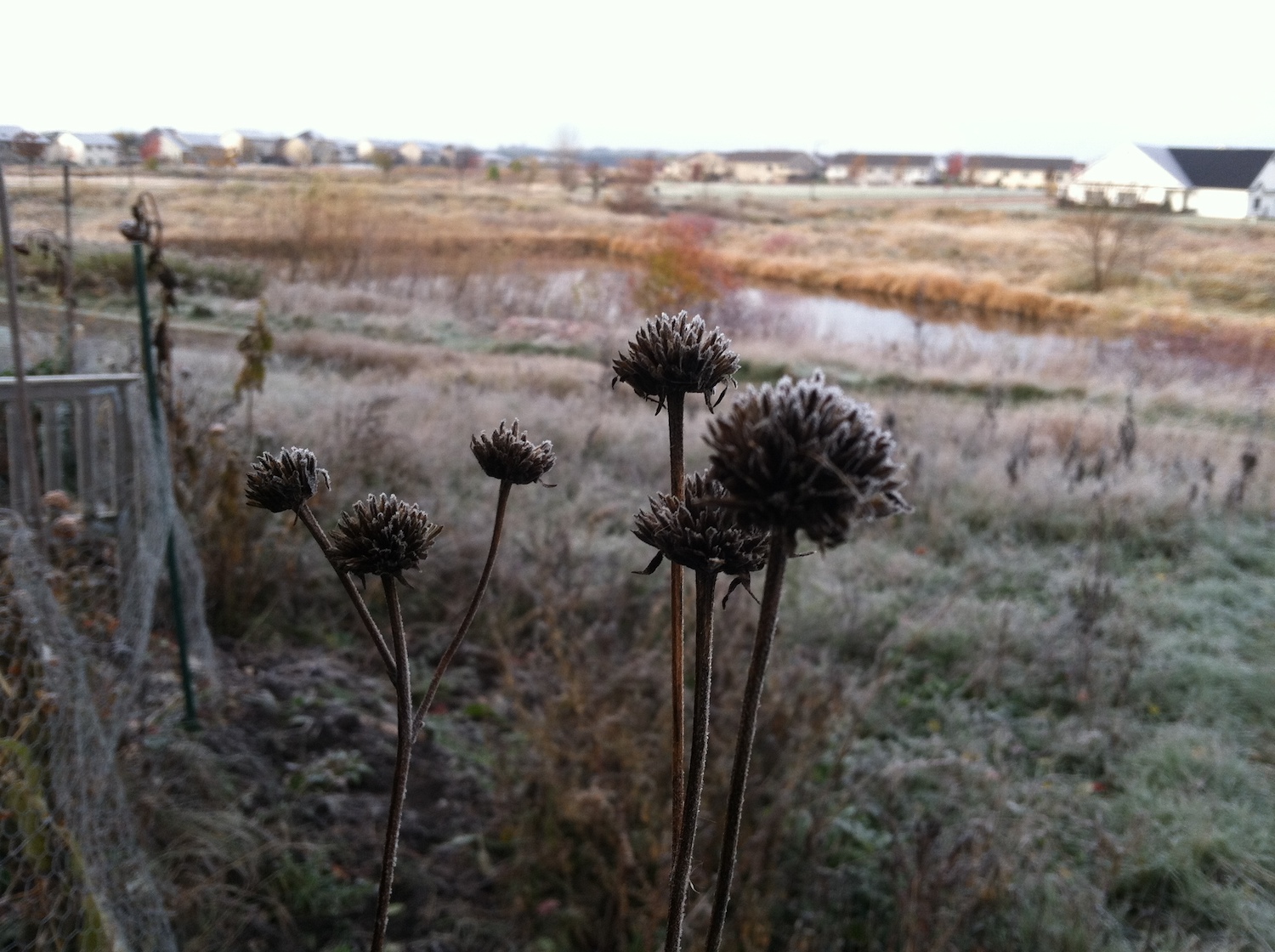
Decide which plants you will leave standing
Many pollinators benefit from cover over the winter and birds will eat the seeds off of some plants, so don’t cut everything to the ground. My approach is to cut back or remove the things that get mushy and have no pollinator benefit—hostas and annuals mostly. Other plants can stand through the winter and get a quick clean up in spring.
Clean up the vegetable garden
Unless you have some season-extending hoop houses or cold frames, most of your vegetables will be kaput by now. Clean them up and add a layer of compost to the garden, if you’d like.
Inspect your houseplants
You probably already brought in any outdoor-dwelling plants that spend winter indoors. But they’ve been there a few weeks by now and may need a quick inspections to see if any bugs traveled indoors with them or if they need water. There’s a huge difference in the humidity of indoor and outdoor air and I find my houseplants especially thirsty as they make the adjustment.
Take a soil sample
If you’ve been concerned about your soil in one section of your garden or another, take a quick sample and send it off to the University of Minnesota before the soil freezes. Then you’ll have all the data you need in time for spring.
Clean those tools
As you finish up your garden chores, be sure to clean your garden tools before storing them for the winter. Here’s a good how-to on how to clean and sharpen tools.
Is it too late to…?
- Plant bulbs? Mostly. Tulips are the one spring-blooming bulb that can be planted as long as the ground is not frozen.
- Plant perennials? That depends on how risk-averse you are. I’ve planted them in November and they came back the next year. Just water until the ground freezes and accept that not every perennial will survive.
After all that garden clean up, you can settle into your winter chair, knowing your garden is as snug as you are.
You may be interested in:
May Garden Checklist for Northern Gardeners
Updated in 2022 What to do in the garden in May? The better question is what not to do as May is likely the northern…
July Garden Checklist for Northern Gardeners
Updated July 2025 With heat, humidity and occasional rains, many gardens will be exploding by early July. Fortunately, we gardeners can enjoy them with a…
June Garden Checklist for Northern Gardeners
The approach of heat, humidity and regular thunderstorms signals we have hit June, and it’s time to think about June garden chores for gardeners in…