


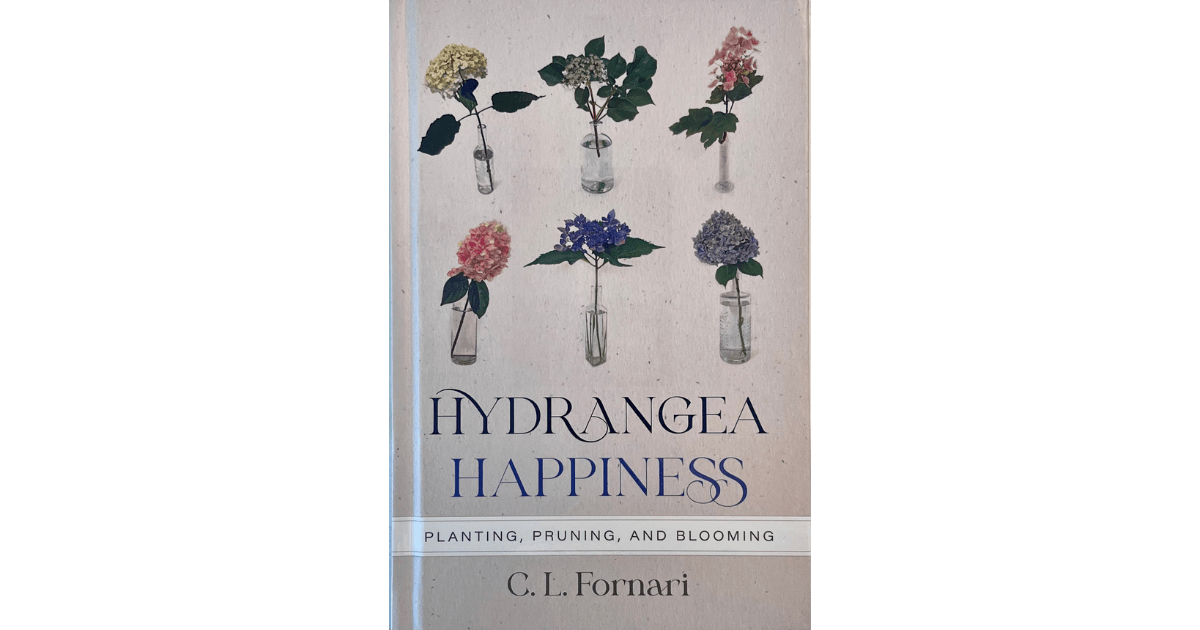
Book Review: Hydrangea Happiness
Hydrangea Happiness offers depth on this popular shrub
Too many books on gardening are packed with inspiring photos but don’t offer the depth of information a homeowner needs to bring those garden scenes to life on their own property. Hydrangea Happiness (Brandeis University Press, 2026) by gardener, writer and broadcaster C.L. Fornari takes a different tack.
While the book has plenty of photos, it’s the information inside that will surprise and educate even experienced gardeners and hydrangea lovers. This book has real depth and the kind of information that makes growing hydrangeas a joy.
Remember when your Hydrangea macrophylla survived winter after winter but never produced a bloom? That’s because they bloom on old wood and while a plant may have roots hardy enough to survive in northern climates, its buds are not, Fornari explains.
And all that pruning you have been doing on those same hydrangeas? It’s probably why you get fewer blooms, she says. Some hydrangeas do best when pruned; others thrive on neglect.
Understanding which hydrangea you have
Fornari lives on Cape Cod where hydrangeas thrive in the cool summers and warm winters, so she has grown many types of hydrangeas. In the book, she explains the growth habits, care needs, pruning strategies, history and best cultivars of each of the six hydrangea species that grow in North America.
Success in growing hydrangeas starts with understanding which type you have and what it needs to grow best. A quick recap of the types and which grow in the North:
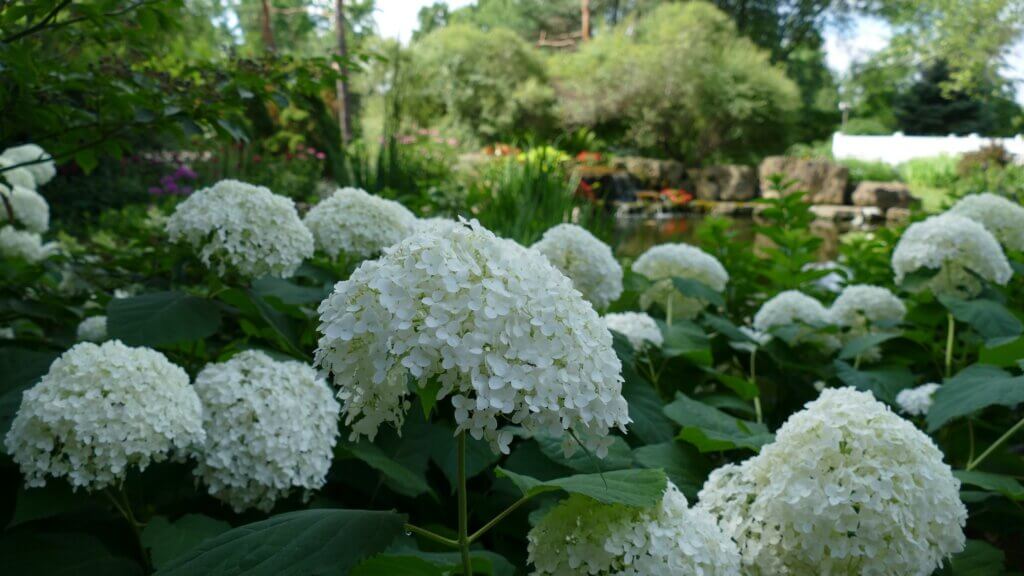
- Hydrangea arborescens – the so-called smooth hydrangeas (pictured above). These grow vigorously in northern climates. ‘Annabelle’ is probably the best-known cultivar, though plant companies are creating newer, less flop-prone smooth hydrangeas.
- H. paniculata – panicle hydrangeas include cultivars such as Limelight, Quick Fire and other northern favorites. It is another type that loves our cold winters and this one can take heavy pruning.
- H. macrophylla – also called big leaf or mophead. These are the blue hydrangeas we northerners have so much trouble getting to bloom. Newer cultivars of this type are being introduced every year and some may be hardy here, though – alas – we are unlikely to get a blue one, mostly due to our soil.
- H. petiolaris – climbing hydrangeas. These are hardy to USDA Zone 4 but growing them is an act of supreme trust as most don’t grow much until they are four to five years old and often will not flower until they have been in the ground 10 years. If you have the patience and time, they are a stunning plant.
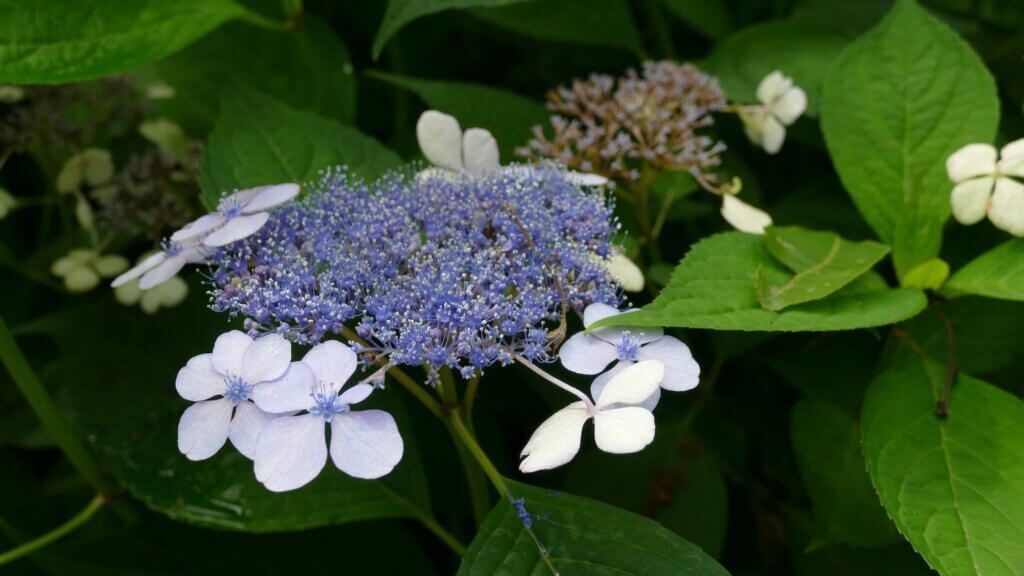
- H. serrata – mountain or lacecap hydrangeas (pictured below). Sadly, mountain hydrangeas are only hardy to zone 6, so they will not survive here long term. It’s too bad, because their blooms are ornately beautiful and attractive to bees and other pollinators.
- H. quercifolia – oakleaf hydrangea. The roots are zone 5 hardy, but it blooms on old wood and buds won’t survive winters below zone 6. These are dramatic shrubs with oak-like leaves that turn a brilliant red in fall.
Myth busting and more
In addition to describing hydrangea types and care, Hydrangea Happiness addresses common myths about hydrangeas and offers information on propagation, over-wintering, using them in decoration and other concerns. Who knew, for instance, that gardeners were soaking banana peels in water in hopes of extracting extra potassium for their plants? It doesn’t work. Nor does adding a penny or other metal to water.
Hydrangea Happiness is clearly and simply written. Fornari has a conversational style reminiscent of sitting down with a knowledgeable gardening friend. Whether hydrangeas are your passion or you just want to learn more about this popular shrub, Hydrangea Happiness is a great place to start for complete and insightful information.

Mary Lahr Schier is a Minnesota gardener, writer and editor and author of The Northern Gardener, From Apples to Zinnias, 150 Years of Garden Wisdom (Minnesota Historical Society Press, 2017), winner of the Silver Award of Merit from GardenComm in 2018. For 18 years, she edited Northern Gardener magazine, the publication of the Minnesota Horticultural Society and the only magazine dedicated to gardening in USDA Zones 3, 4 and 5.
You may be interested in:
Best Plants for Northern Gardens: Day 28 — Hydrangea
By midsummer, many of the flowering shrubs in the northern garden have finished their show. The lilacs, azaleas, spirea and fruit shrubs have mostly settled…
What a Hydrangea Wants
Get together several hundred avid gardeners and a line-up of experts, and the questions and conversations start flying. Yesterday, MSHS hosted its third annual Spring…
Plant Profile: Tree Form Hydrangea
This article by Debbie Lonnee appeared in the Sept/Oct 2019 issue of Northern Gardener Plant to Pick Sept/Oct 2019 Hydrangea paniculata Panicle Hydrangea Tree Form…