



Preparing Plants for Propagation
Successful plant propagation starts long before you make your first cut. By combining the tips below with the advice from recent Northern Gardener articles on how to identify the right plants, choose the best tools and master basic techniques of propagation, you’ll be a pro in no time!
Follow these seven preliminary steps when propagating your plants:
Choose healthy stock
Select parent plants that are free from disease, pests and environmental stress. Avoid using any plant material showing insects, discoloration, wilting or fungus—these problems can quickly spread to every cutting or division you make. Look for host plants that are actively growing and not stressed by drought, recent repotting or extreme temperatures.

Hydrate well ahead of time
Water the parent plant thoroughly about 24 hours before dividing or taking cuttings. This ensures its tissues are well-hydrated and more likely to root successfully
Time your propagation right
Choose the best time of day and season to propagate your plants. Collect material early in the morning when moisture levels are highest and pick a cool day, if possible. The optimum season depends on your propagation method.
| Propagation Method | Best Plant Status | Typical Upper Midwest Timing |
| Division | Before new growth or after flowering | April–June or September–October |
| Layering | Early spring | April–May |
| Softwood Cuttings | New-season growth | June–July |
| Hardwood Cuttings | Dormant | November–February |
| Seeds | When developed (usually fall) | September–October |
Sharpen and sanitize propagation tools
Use sharp pruning shears or a razor blade—dull tools can crush stem tissue and block water uptake. Clean all pots, trays, and work surfaces with a disinfectant. If reusing old pots scrape out old soil before sanitizing.
In propagation, hygiene is non-negotiable. Pathogens thrive in the warm, humid conditions needed for rooting, so cleanliness is essential to success.
Scrutinize before you cut
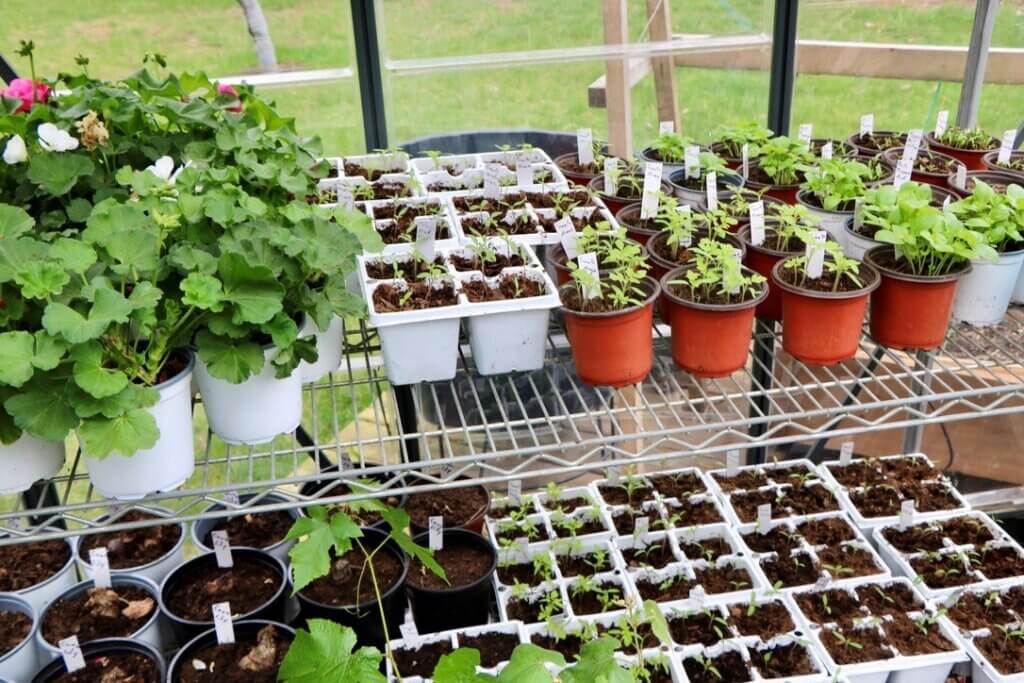
Look for robust plants that can withstand pruning or division. When taking stem cuttings, make your cut about half an inch below a node. Avoid stems or shoots with flower buds, since blooming diverts energy away from root formation.
If cutting succulents, allow the cut end to or dry for a few days before planting—this prevents rot. When gathering seeds, watch for pods or fruits that are fully ripe and ready for harvest.
Prune while you propagate
When dividing, trim leaves and stems by about one-half to two-thirds their length. This reduces water loss through transpiration and allows the new division to focus its energy on root development. Shorter stems also make it easier to see the crown, locate natural division points and handle the plant during digging and replanting.
Control the environment
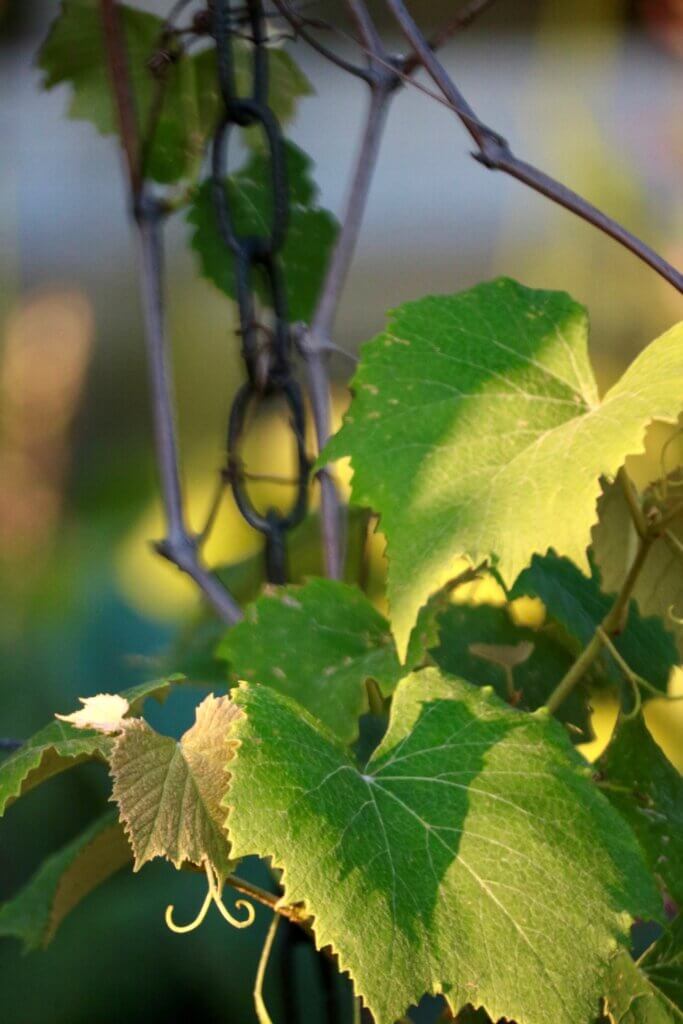
Regulate humidity and temperature to help cuttings and divisions survive until new roots form. Because unrooted pieces can’t take up water easily, maintain high humidity—use plastic covers or domes if needed—and keep the rooting medium moist but not saturated. Warm temperatures, ideally in the low to mid-70s °F promote faster rooting and overall plant health.
Post-Propagation tips
Replant your new divisions as quickly as possible at the same depth as the host plant. If replanting must be delayed, wrap roots in damp newspaper or paper towels to keep them moist. Water thoroughly and regularly until they are firmly established in their new homes.
For seeds, dry and store them in a cool, arid place. For cuttings, monitor rooting media closely and maintain appropriate moisture levels. Water transplants and layered stems as needed.
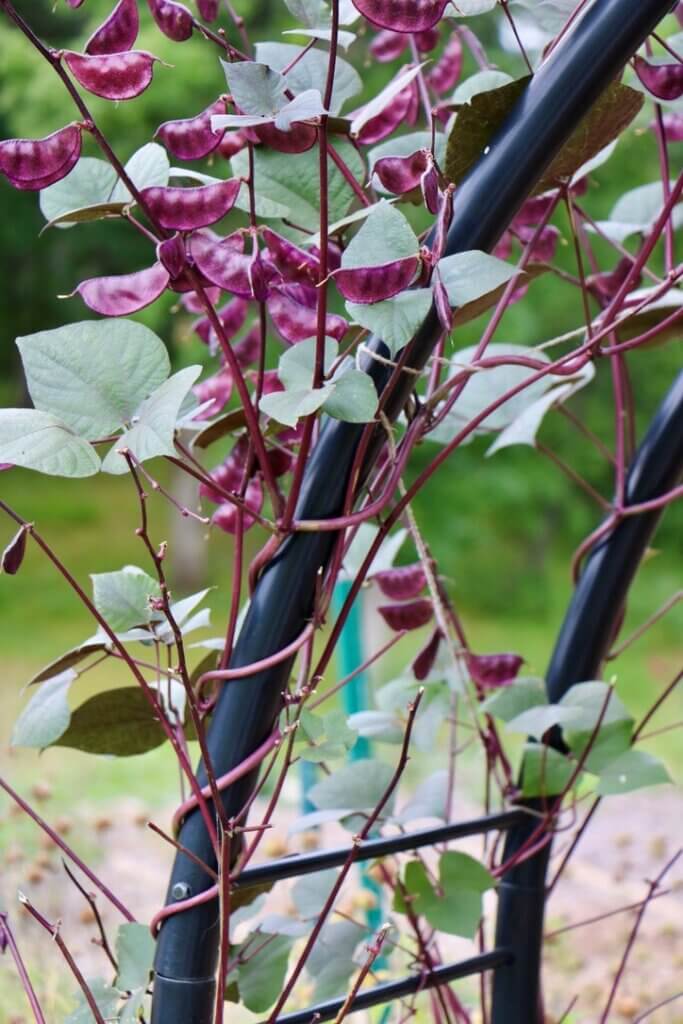
You’re now able to get lots of free plants to grow in new spots in your yard or share with others. Have fun trying the different propagation methods and enjoy the bounty you’ll be reaping.

Diane McGann is an award-winning writer who maintains perennial and shade gardens on 4 1/2 acres in Stillwater, Minn.
You may be interested in:
Propagating Houseplants
Learn how to propagate houseplants, including a list of common houseplants and how to propagate them. Make more houseplants!
Houseplant Propagation: Make More Houseplants!
Get specific, straightforward information on how to propagate your indoor plants from the University of Minnesota. Make more houseplants!
Home Propagation of Houseplants
Learn the basics of making more houseplants from the University of Missouri Extension, includes, pictures, lists, and audio.