


150 Tips: Prepping for Winter
As we near the end of November, it’s time to button up the garden and the gardener for winter.
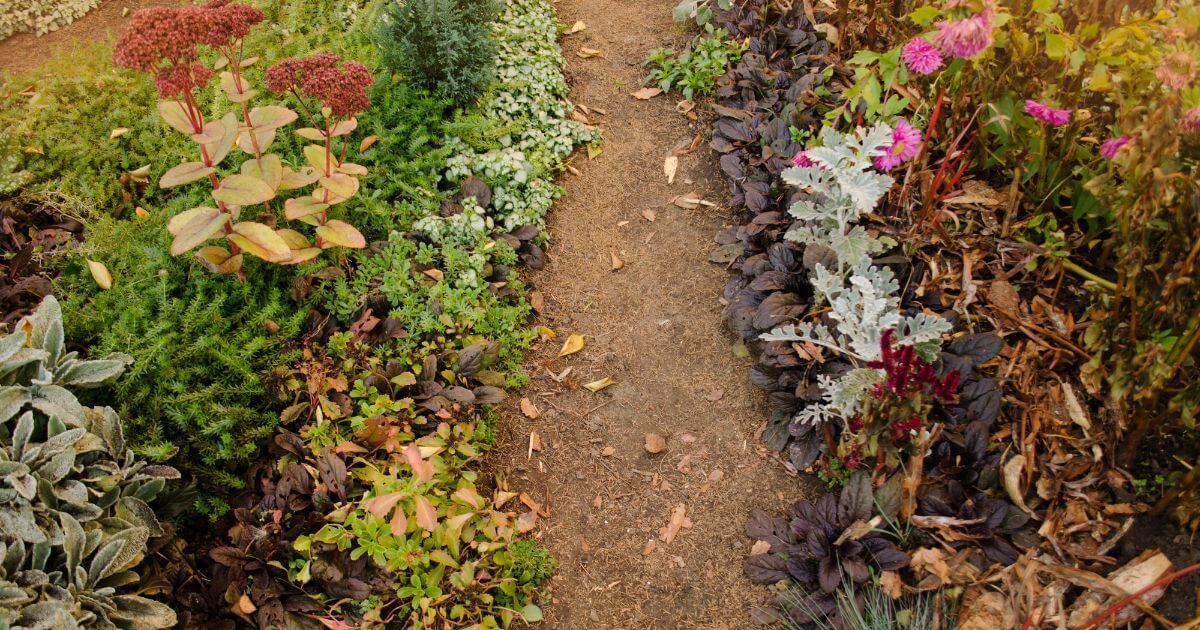
Cut back plants in fall (or better yet, DON’T). Advice on the wisdom of cutting back spent foliage and dried stems has varied enormously over the years. In the past, some gardens were so clean, you’d think the gardener had taken a vacuum to them. Now, more experts advise leaving foliage standing, especially those dry stems that may be nesting places for beneficial insects.
Clean up the vegetable garden, though. It’s a good idea to remove diseased foliage and anything that is damp or rotting in the vegetable garden, however. A layer of leaves or fresh compost will help refresh the soil. Clean up around fruit trees, too, to prevent soil borne diseases from overwintering.
Prevent raspberry plants from winter injury. This tip stems from the Timely Topics of the October 1964 issue. In the fall, bend the canes down to the ground and cover tips with soil. This will protect the plants, even in places with significant snowfall. Using wire loops in the shape of croquet wickets can help keep the canes in place.
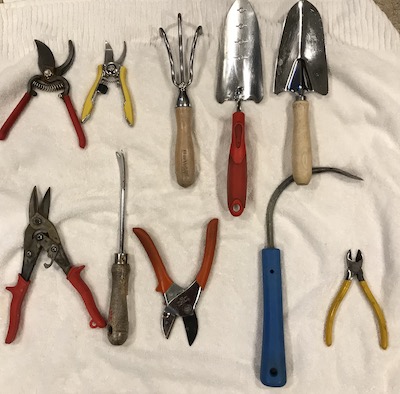
End the season by cleaning your tools so they are ready for next year.
Clean your tools. To increase the longevity and function of your tools, cleaning them before winter (or during the winter months) is a good practice. In 2008, Terry Yockey offered a basic tutorial on how to clean a bypass pruner. Take the pruner apart, then clean with soap, water and a toothbrush all the pieces. For tough dirt or rust, spray the parts with WD-40 and let them soak before cleaning again, drying, sharpening and reassembling.
A quick tip for keeping tools clean during the season. In the same article, Terry offered a way to keep your tools clean all year long. Fill a 5-gallon bucket with clean sand and mix in a quart of vegetable oil and cover it. Dip your tools in the sand several times after each use. The grit and oil will keep the tools clean and well-lubricated. You can wipe off any sand with a rag. If the bucket develops and odor, replace the sand and oil with fresh.
You may be interested in:
150 Tips: Winter Survival Strategies
By early December, the garden is freezing up and most northern gardeners are settled in for the winter. Besides checking for garden catalogs, taking classes…
150 Tips: More Bulb Planting Tips
Early October is one of the best times to plant bulbs in the North. These tiny, dried bulbs will bloom from early April until June,…
150 Tips: Spring Lawn Care
A lawn, said Leon Snyder in a 1953 issue of Minnesota Horticulturist, is “like the canvas on which an artist paints his picture—a pleasant background…