


Succession Planting in the Vegetable Garden
Updated July 2025
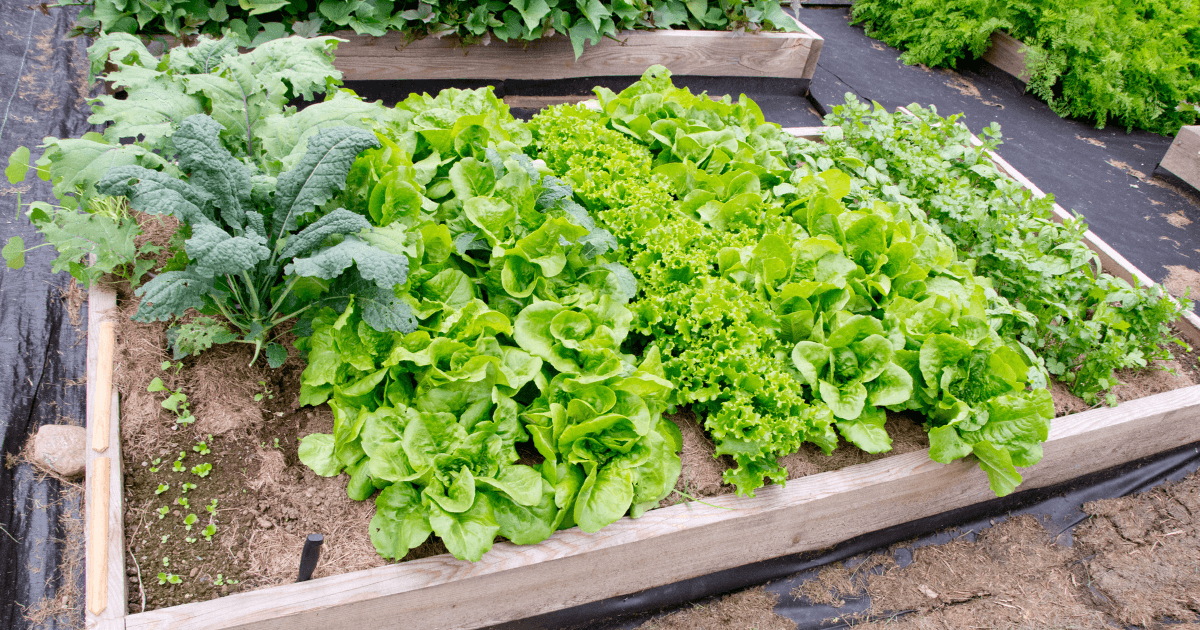
Even with a short Minnesota growing season, you can extend the productivity of your vegetable garden by replanting certain vegetables a second or even a third time. It all depends on timing—as well as a little luck with the weather breaking your way.
At the beginning of the season, you can get early crops like spinach and greens started as soon as possible, even indoors. Using a cold frame as a holding spot for trays of greens makes for earlier planting, and allows you to be harvesting at the same time you’re sowing a second crop in the ground.
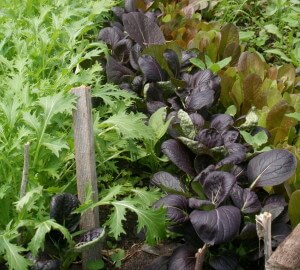
Successive crops of leafy vegetables will do well if planted every few weeks in spring as long as the weather doesn’t ramp up to blast-furnace heat—as it has around here in recent years. If that happens, it’s no use planting lettuce that will only bolt not long after sprouting. Better to wait until the end of the season and its cooler temperatures.
Last year, I had excellent results with sowing peas successively, even with the early arrival of hot weather, by partially shading them with taller growing vegetables like Brussels sprouts and Swiss chard. Though they eventually burned up I was still able to harvest peas when it was 90-plus degrees. I also had good luck successively sowing an early-maturing dwarf bush bean. Just when some of the plants had run their course the newer ones were starting to produce.
Fall Planting
On the other end of the growing season, gardeners in Minnesota can replant crops in their vegetable garden in mid to late summer, as long as they’re mindful of the average first frost date for their area. Some vegetables like kale, for example, can survive temperatures in the low 20s, and actually become sweeter after a light frost.
Other things that are quick to grow and might be considered for late season replanting, like basil, can’t handle even a light freeze. The University of Minnesota Extension department has a useful bulletin about this subject on its website, which includes a handy table that lists “Days to maturity” and “Cold hardiness” for a number of garden vegetables.
It also discusses the practice of planting a late crop of “green manure”, or cover crops like alfalfa or winter wheat in your garden that “keep the area weed-free, prevent soil erosion, and add organic matter to the soil.” The bulletin stresses that it’s important to mow down these plants if they flower before they’re killed by frost, so they don’t go to seed and become weeds.
Another thing to keep in mind is that by late summer daylight hours have significantly shortened, and the angle of the sun’s path across the sky is much less direct, so your garden just isn’t receiving the level of solar energy that it was in May and June. That will greatly affect the maturity for crops, particularly those started from seed. I’ve noticed that some garden centers are now bringing in greenhouse starts of popular vegetable plants in mid to late summer; it may be worth purchasing those if you’re set on harvesting spinach in late September.

Mary Lahr Schier is a Minnesota gardener, writer and editor and author of The Northern Gardener, From Apples to Zinnias, 150 Years of Garden Wisdom (Minnesota Historical Society Press, 2017), winner of the Silver Award of Merit from GardenComm in 2018. For 18 years, she edited Northern Gardener magazine, the publication of the Minnesota Horticultural Society and the only magazine dedicated to gardening in USDA Zones 3, 4 and 5..
You may be interested in:
Vegetables to Plant for a Fall Harvest
While northern gardeners typically think of March, April and May as the time for planting, July and August are also a great times to plant…
Vegetables You Can Plant in Midsummer
As the first part of the vegetable garden season winds down, harvest holes may start appearing in your garden. These are the spots where you…
7 Plants to Attract Bees to the Garden
Honey bees get a lot of attention and credit as hardworking pollinators, and we all understand the benefits of keeping a hive or two of…