


Leaving Perennials Standing: Pros and Cons
As fall plods on and more plants start to brown or whither, the urge to “clean up just a little” is strong, and for many gardeners the question of whether to cut back perennials or leave them standing is one they consider every year. There is a lot of ground between those who clean every inch of their garden (some places look like they’ve been shop-vac’d by the time November hits) and those who just let it all stand and wait until April or even late May to cut plants back.
Here are some of the pros and cons of leaving perennials standing or cutting them down.
Why Leave Perennials Standing?
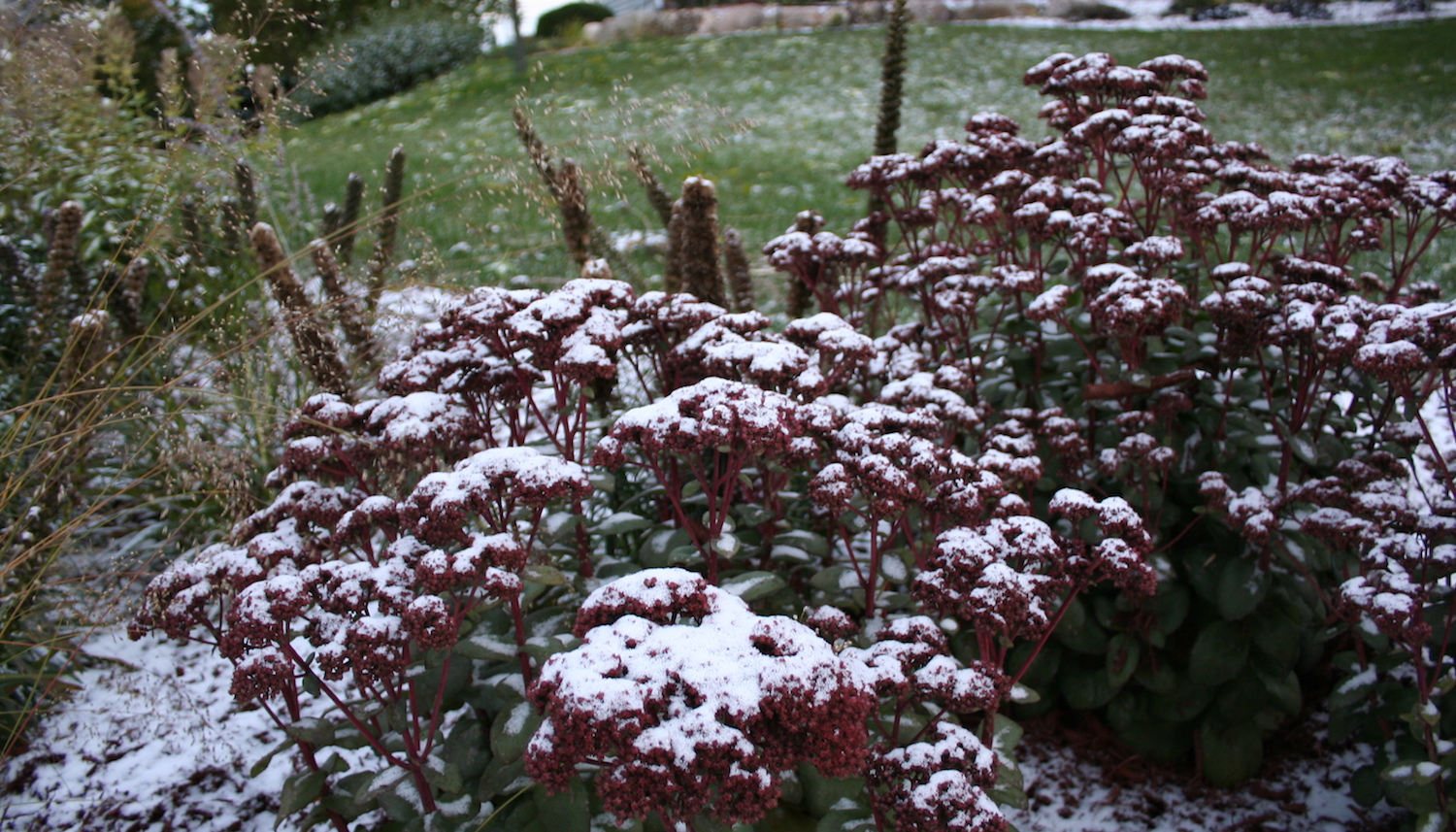
The arguments in favoring of leaving perennials standing generally revolves around two things: Looks and the environment. Spent perennials provide shelter for beneficial insects, such as ground-nesting bees, through the winter. Some perennials, such as coneflower and sedum, also provide seed for birds to eat during the winter and the stalks of perennials offer places to perch or hide. The stalks also provide a place for snow to settle and may even help insulate the crown of the perennial.
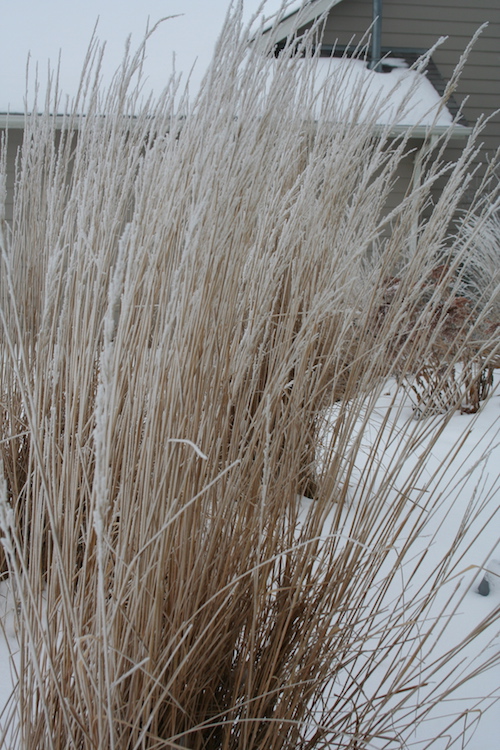
Spent perennials, with their spiky seedheads and brown foliage, add interest to the winter garden, too. Snow gently sits atop some flower heads and hoarfrost clings to dried leaves. Toward the end of winter, things may look ratty, but in November, December and January, the perennial garden still has beauty. One other reason to leave perennials standing (and as someone who is always adding plants, I identify with this) is that it helps your remember where you put things. Who hasn’t looked at some greenery in the spring and thought, is this something I planted or a weed???
Why Cut Back Perennials in Fall?
Many gardeners cut back virtually all of their plants in fall. And, it’s usually for three reasons: looks, work flow and plant health. Cutting perennials removes some diseases from the soil, especially those that are carried through the foliage. By removing and tossing the plant debris, the disease has less opportunity to take hold next year.
Some perennials (hostas are the worst) don’t handle frost well. Their leaves turn to mush and cleaning them up in the spring is a messy, slightly gross task. A neat clump of short hosta leaf stalks marks where the plant is.
A clean garden also means less work in spring, which is a very busy time for most gardeners. If everything is cleaned up, you can go about spreading compost, weeding and putting in annuals and vegetables and the perennials take care of themselves.

My own approach is more toward the let-it-stand side, but not completely: I remove all the vegetable debris, spent annuals and cutback the few hostas I have. My peonies, which have some powdery mildew on them, will also get cut back. I’m also cutting back some (not all, because the birds like it) giant hyssop, which is a wonderful bee magnet, but spreads its seed everywhere. The rest—lots of native plants and grasses—stands until spring.
How do you approach cutting back or leaving perennials?

Mary Lahr Schier is a Minnesota gardener, writer and editor and author of The Northern Gardener, From Apples to Zinnias, 150 Years of Garden Wisdom (Minnesota Historical Society Press, 2017), winner of the Silver Award of Merit from GardenComm in 2018. For 18 years, she edited Northern Gardener magazine, the publication of the Minnesota Horticultural Society and the only magazine dedicated to gardening in USDA Zones 3, 4 and 5..
I learned this a long time ago at a gardening class: FLIP for fall.
FLIP stands for : F – Fall, L – lilies, I – Iris, P – Peonies.
And those are the only plants that you have to cut down for fall (because of diseases they can carry).
THANK YOU!!!!
Happy to help! It’s what we do.
That is wonderful advice. I would add Astilbe and Phlox.
Good points on both sides.
Remember all plants survived in their native environment just fine before human intervention. Rarely do any herbaceous plants ‘ need’ cutting back. Our perception of ‘ beauty’ and domination over nature precipitated the neat movement.
Many different wildlife networks and beneficial microorganisms depend on decaying litter in the landscape.
Three related books recommendations:
Bringing Nature Home by Dr D. Tallamy
Planting in a Post Wild World by C. West and T. Rainer.
The Hidden Life of Trees; Ehat they Feel, How they Communicate by P. Wohlleben
Thanks, Jeffrey — Those are great book suggestions!
I was just looking out my window and enjoying the finches perched on the echinacea seed heads. Last year I left everything standing and as you said, the spring ended up being very busy with cleanup. I appreciate the suggestion to remove strategically. I have peonies, iris, lily and hostas that will get a haircut soon! Then I’ll leave the natives for winter habitat. Thanks for the concise tips.