

All About Irises
Growing and caring for irises in the north
Iris, or Iridaceae, is a family of flowering plants which has existed for 60 to 100 million years. The family Iridaceae contains about 80 genera, one of which is the genus, Iris.
The other genera are collectively referred to as Irids, which means “Iris-like plants”; these genera are sometimes small and subject to reclassification, occasionally being absorbed into larger genera, such as Crocus, Gladiolus, and sixty-four others. As well as being the scientific name, iris is also used as a common name for all Iris species.
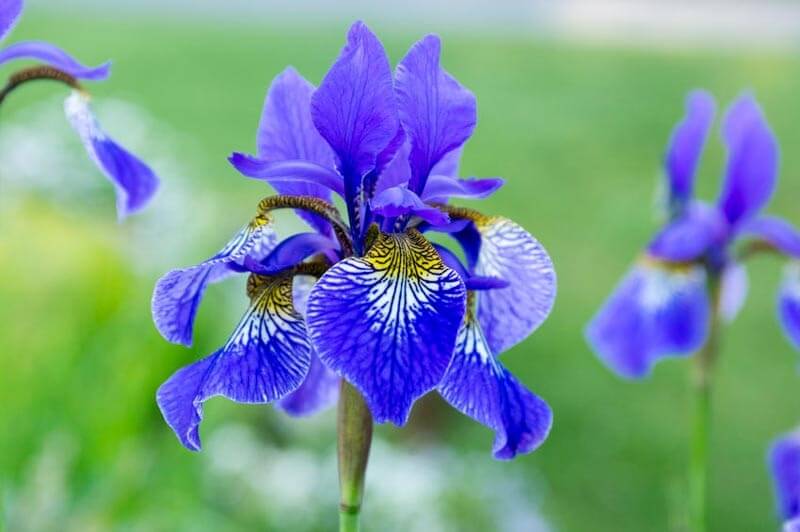
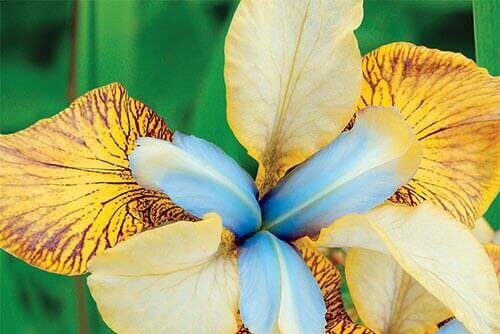
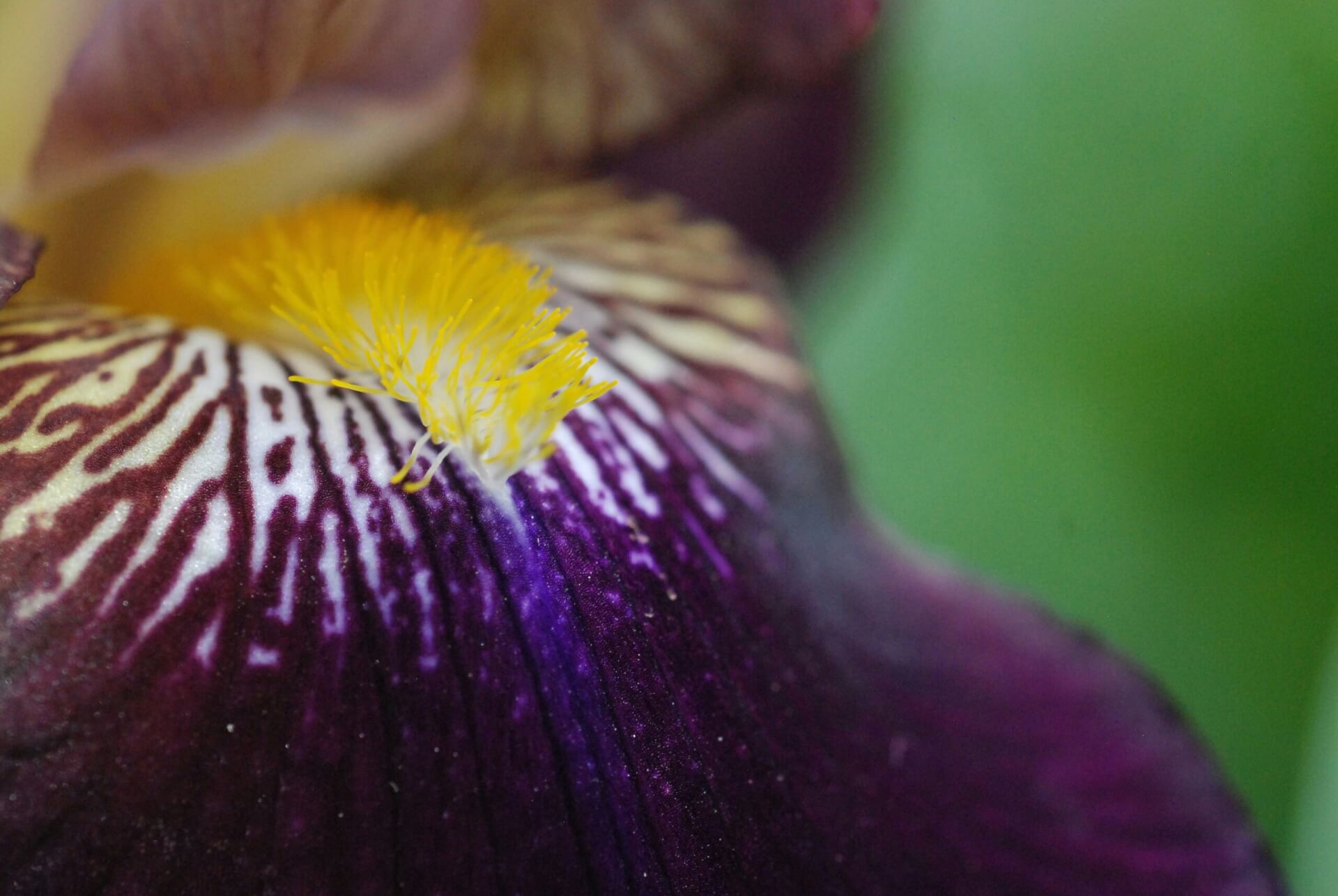
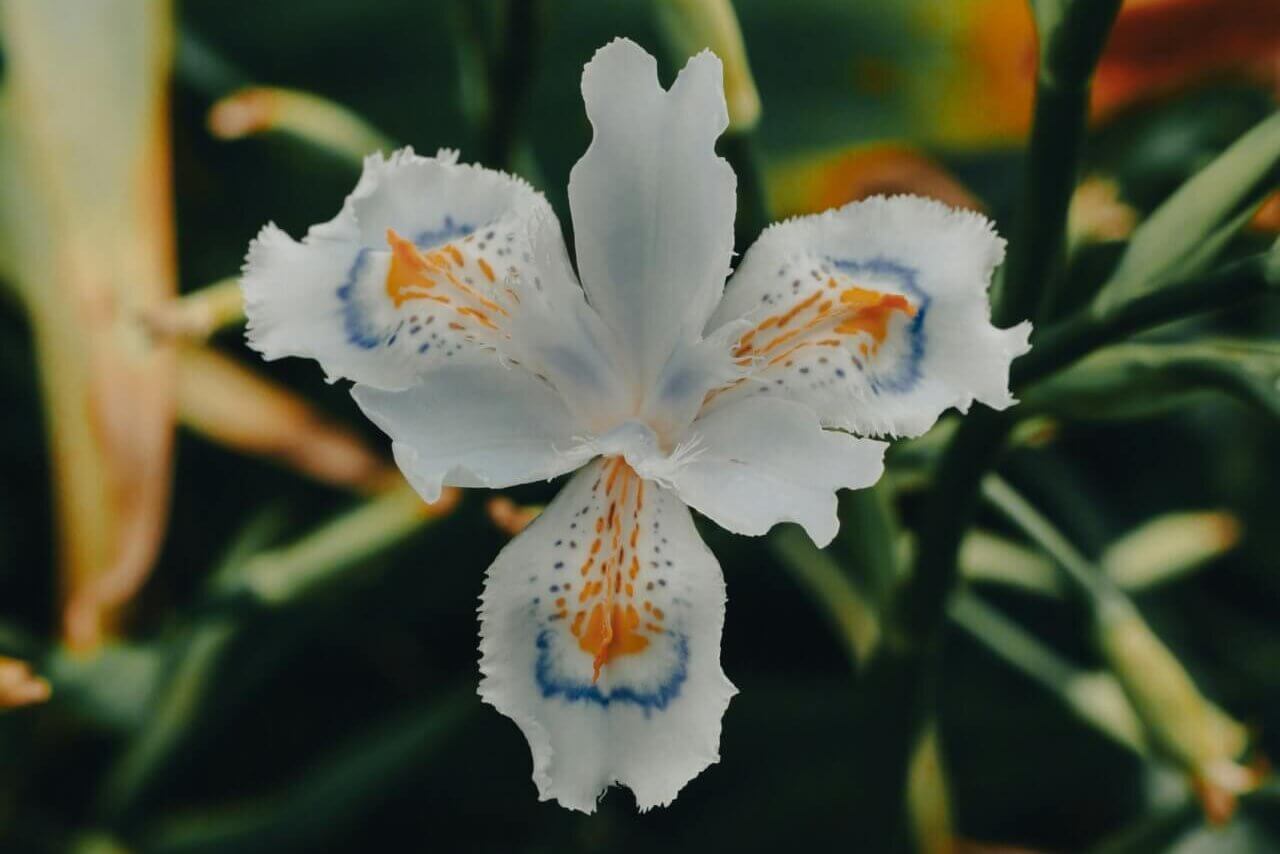
Irises can be bearded, beardless, or crested and have been popular in gardens for centuries. Bearded and beardless varieties (Siberian, Japanese, Pacific Coast, Spuria and Louisiana) are among the most popular.
Unless you’re living in Antarctica, chances are excellent that there are irises suitable for growing in your garden!
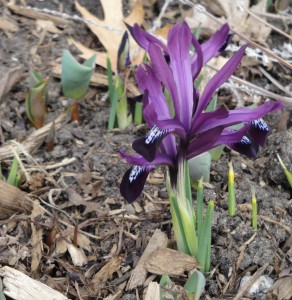
Introduction to irises
Overview of the iris flower, including its history, varieties, and significance.
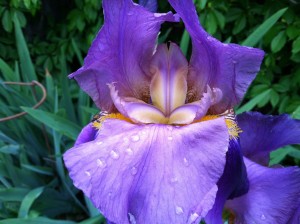
Growing irises
Detailed planting and care instructions, suitable for USDA hardiness zones 3, 4, and 5. Includes common issues and solutions.
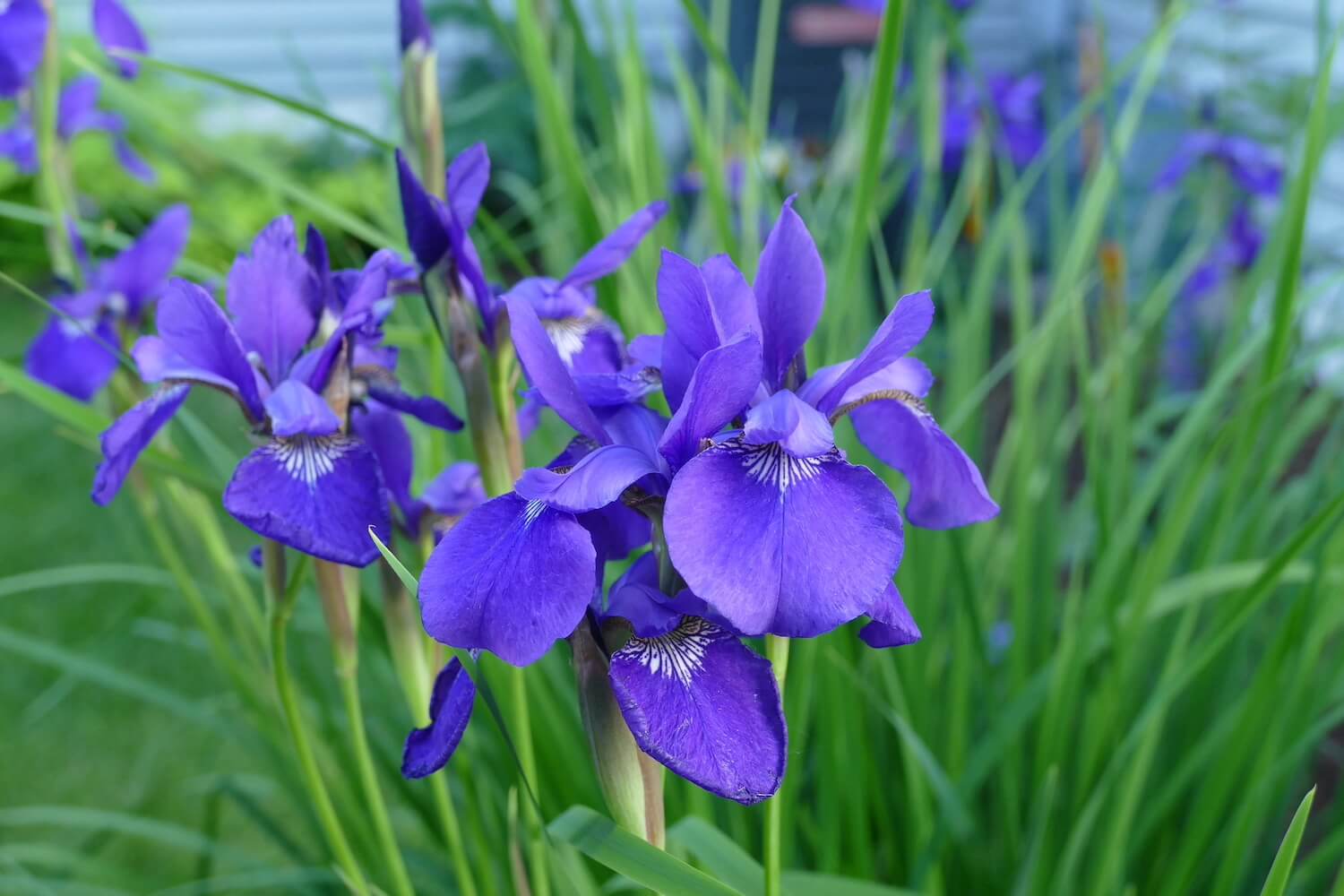
Design tips
Learn how to incorporate irises into various garden designs.
Keep Learning
Visit these additional links for advanced knowledge on growing and caring for irises. Ready to meet other like-minded enthusiasts? Join the Iris Society of Minnesota or become a member with MSHS today!