


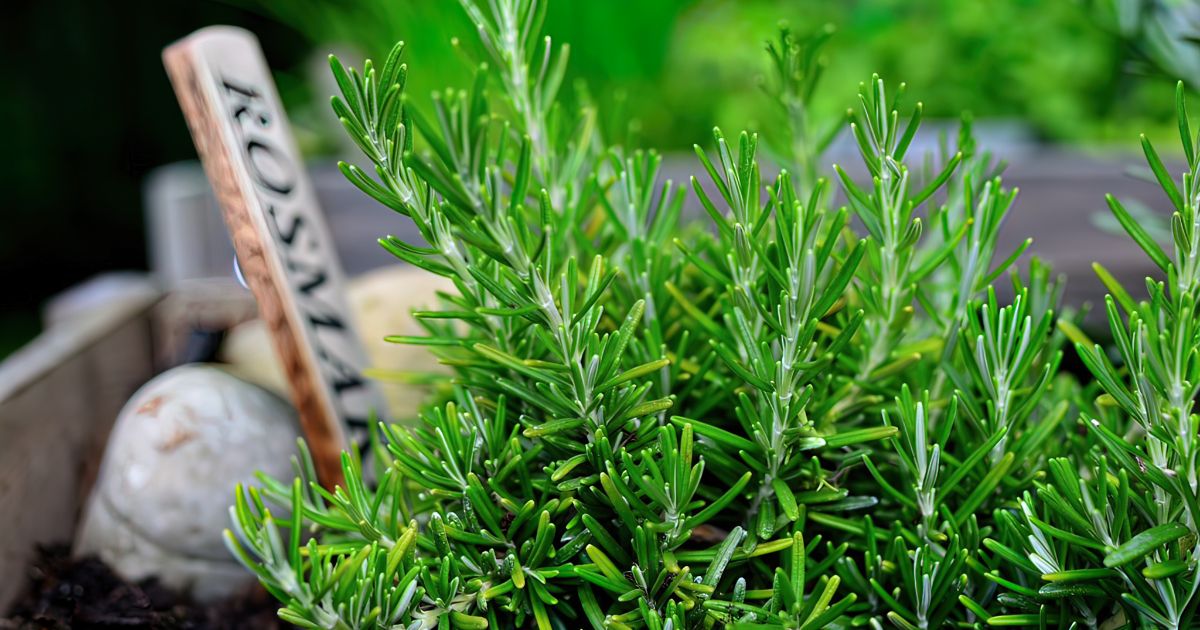
Meet the Herbs: Rosemary
We’re northern gardeners, so we lovingly embrace our short growing season and we don’t whine about winter weather (at least not very often). But that doesn’t mean we can’t appreciate a bit of Mediterranean flair in our gardens, and rosemary fits the bill! Rosemary is a beautiful herb with leaves that are reminiscent of pine needles—truly a delight in the garden. It’s quite useful in the kitchen, too. Let’s take a closer look at this lovely herb.
Rosemary at a glance:
- Rosemarinus officinalis
- Reaches 2 to 6 feet in height, depending on growing conditions, Zones 8-11
- Produces blue flowers
- Sometimes used as holiday decor thanks to its visual similarity to pine trees
Is rosemary hard to grow?
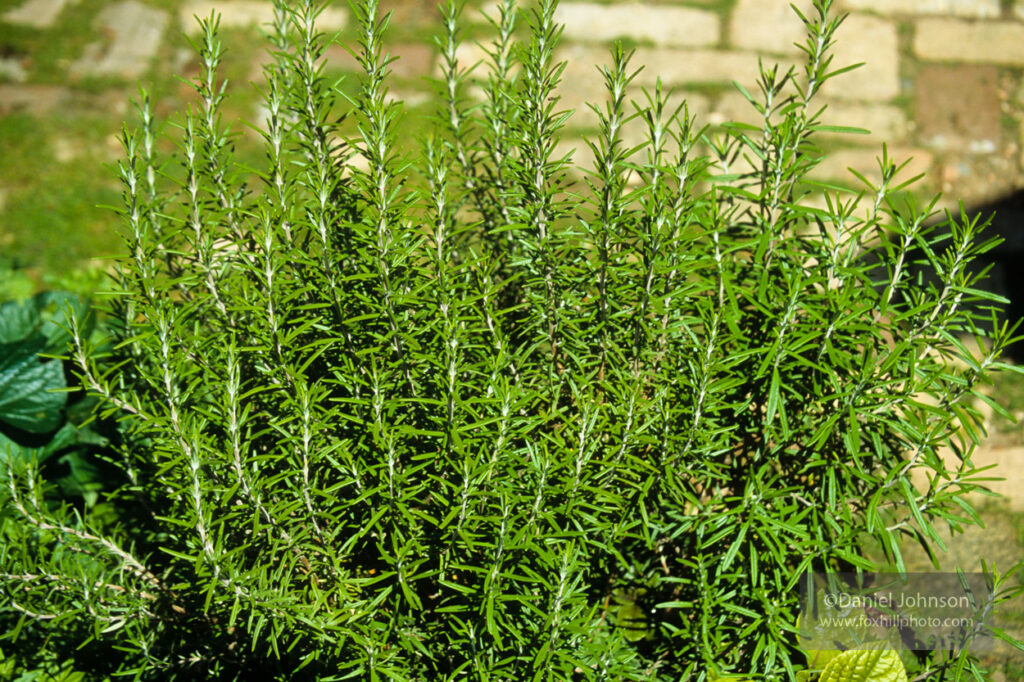
Compared to some super-easy herbs (hello, mint and chives), rosemary is admittedly trickier to grow. But you can succeed with growing rosemary by providing its preferred conditions. Rosemary likes full sun and warm temperatures, and it does best in well-drained soil. Rosemary dislikes being overwatered, so be careful not to overdo the moisture. The exception is if you’re growing rosemary in a container; it will dry out faster and may need more water in that case.
Will rosemary overwinter in the North?
As you might guess from its Mediterranean background, rosemary isn’t a cold-hardy herb, so it doesn’t overwinter in Zones 3 or 4, and only rarely in Zone 5. You can bring container-grown rosemary plants indoors for protection during the winter months.
How can I use rosemary in the kitchen?
You can use rosemary in so many ways! Of course it’s a standout when paired with beef, pork, or lamb, but it’s also a good choice for poultry dishes.

Love to bake? Rosemary is a good choice for use in breads, cakes, and cookies.
And don’t forget soups! Sauces! Grilled vegetables! Add rosemary to any and all of these. Rosemary and potatoes are a glorious combination too.
Any tips for growing or preserving rosemary?
Rosemary can be hard to grow from seed (and time-consuming). It’s easier and faster to propagate rosemary from cuttings.
When it comes to preservation, rosemary is easy to preserve by drying or freezing. You can hang sprigs of rosemary upside down to dry, or you can dry rosemary in the oven or in a food dehydrator. But freezing works too!
Rosemary is beautiful, useful, and has a long history and heritage—it’s a worthy addition to your garden and pantry!

Samantha Johnson is the author of several books, including Vegetable Gardening for Beginners: Learn to Grow Anything No Matter Where You Live (New Shoe Press, 2023). She writes frequently about pets, gardening and farm life.


I love rosemary plant it smell nice
Thank you. I am in southern indiana. Zone 6 Crawford county, IN.
I have my Rosemary plant in a small Greenhouse in a container pot.
Do you think it will winter okay in Greenhouse. No heat.
I live in middle ga n I have planted a little plant about 3 yes ago,must I say it has really showed out n she is a beauty I love it when I water her that awsome smell n she is very low maintenance.
I bought a potted rosemary plant at a big box store in S Wisconsin this spring and it’s doing great ?. I’d like to keep it over the winter in my kitchen so I’m wondering if I need to do anything special to it before I bring it in?
Thanks