

Spring Perennial Care Tips
Depending on this year’s spring temperatures, perennials may being to emerge as early as the first half of April. This makes it a good time to begin a bit of spring perennial care.
Here are five tips:
Cut back last year’s growth
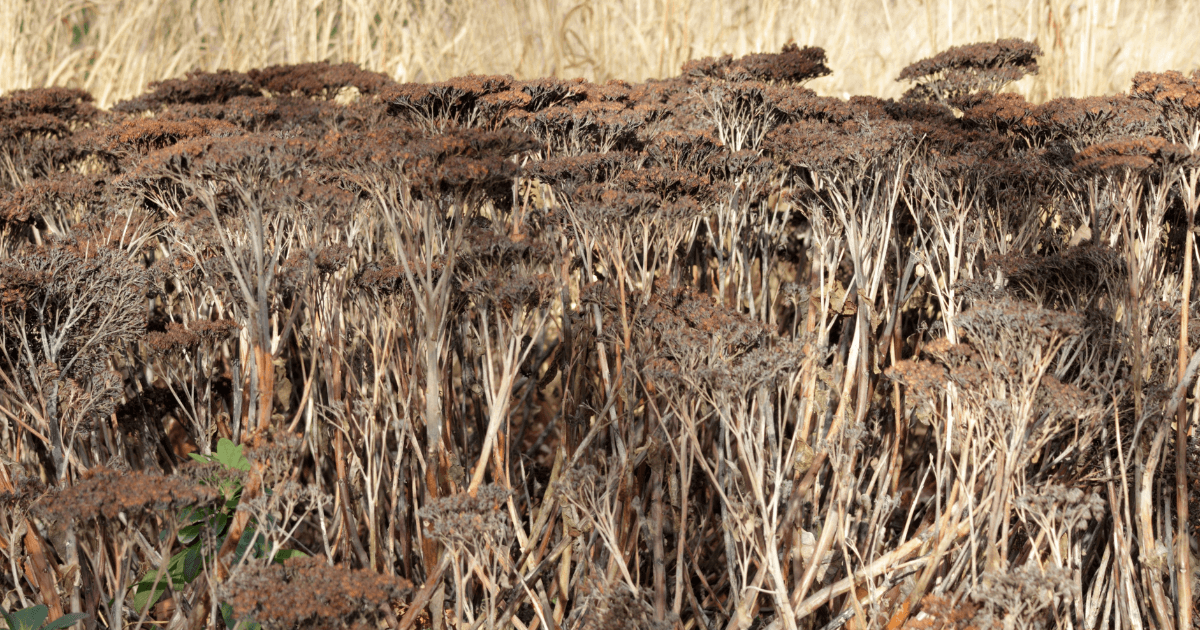
I’m on the fence on when it is best to do this. Many gardeners who are interested in helping beneficial insects, say it is best to leave last year’s plant growth up until well into May. If you do cut back stems of sedum and other plants, you can leave them on the ground to provide shelter for insects until the temperatures have warmed more.
Remove any built-up mulch
If you mulched around more tender perennials with leaves or other organic material, now is a good time to remove it or at least fluff it up to give the plants some air. Once the ground warms up, the mulch is less effective and, if it is wet out, may even encourage mold. Gardeners located in northern Minnesota may want to leave mulch on a bit longer as temps can still dip fairly low at night.
Keep an eye on watering needs
Depending on rainfall amounts received in early April, you may need to supply some extra water to get perennials off to a good start. Unlike annuals in containers, perennials do not need regular watering. If the soil is dry 4 to 5 inches down or if the plants seem droopy, give them a good drink.

Identify perennials in need of division
Some perennials get pooped out after a long time in one spot, and spring is a great time to divide them to reinvigorate the plant and share the divisions with other gardeners (or just move them to a new spot in your garden). How can you tell if a perennial needs dividing? Look for the “doughnut”—if there is a hole in the center of the plant as it comes up in spring, it’s a good time to divide the plant.
Be selective about fertilizing
Not all perennials need annual fertilization. Prairie plants, such as coneflowers, rudbeckia and blazing star, do best in a lean soil. Others do well with just a light sprinkling of compost or a slow-release fertilizer.
If you are buying fertilizer, look at the three numbers on the package. If the first number (the nitrogen) is largest, that will promote leaf growth. The second number (phosphorus) will promote more blooming. You can over-fertilize, so consider how rich your soil is and never exceed the package recommendation.

You may be interested in:
150 Tips: Spring Lawn Care
A lawn, said Leon Snyder in a 1953 issue of Minnesota Horticulturist, is “like the canvas on which an artist paints his picture—a pleasant background…
Best 20 Garden Tips from 2020, part 1
The end of the year is a great time for reflection about what’s ahead and what we learned during the season. In 2020, despite all…
April Garden Checklist for Northern Gardeners
Updated for 2025 “Oh, the lovely fickleness of an April day,” wrote naturalist William H. Gibson a long time ago. And, April certainly is fickle….