


Vegetables You Can Plant in Midsummer
As the first part of the vegetable garden season winds down, harvest holes may start appearing in your garden. These are the spots where you pulled a beautiful head of lettuce or where the peas have finished up and there’s a space open. How do you fill those holes? Which vegetables can you plant now?
Many gardeners practice succession planting, where they grow an early crop, followed by one or more later crops. The Hennepin County Master Gardeners website has a great explanation of how this works. Gardeners can get as many as three cycles of vegetables out of the same spot by alternating cool season (lettuce, greens, kale, peas) crops with warm season crops (tomatoes, peppers) and the adding a cool season crop toward the end of the summer and into early fall.
Use New Plant Starts
If you have a harvest hole to fill now, the easiest way may be to plant pre-started nursery plants. Many garden centers and nurseries still have herbs, tomatoes or other warm season plants ready to go. They may be stressed from being in their little pots for so long, but after a week or so in the ground or a bigger container, the plants really snap back. Make sure they have adequate water to get their roots growing.
Use Short Season Seeds
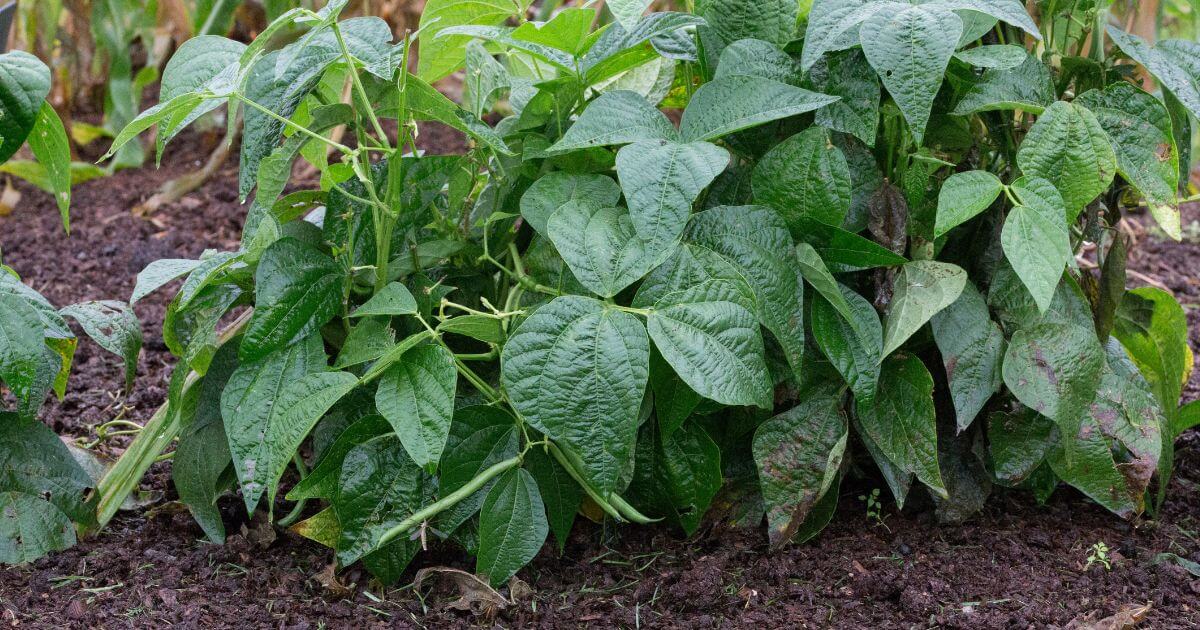
Another option is to plant seeds for crops with shorter growing seasons that don’t mind the heat. For instance, bush beans (pictured above) typically are ready to harvest in 50 to 65 days and will germinate quickly in the warm soil. Some of the more reliable bush varieties are Provider or Empress. Beans have the added advantage of being nitrogen fixers, meaning they add fertility to your soil as they grow.
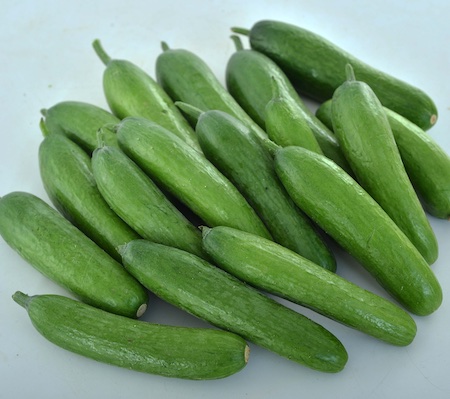
Other vegetables you can plant now include quick growing, warm-season crops such as summer squash (zucchini or yellow) or even cucumbers. Smaller pickling cucumbers tend to have a shorter growing season. When selecting seeds, check the days-to-harvest number. The lower the number, the quicker you’ll be harvesting.
Extending the Growing Season Through Fall
Many gardeners continue to plant cool season crops, such as lettuce, greens and radishes throughout the summer. These crops really do prefer cooler weather, so some of the hottest days of July and early August may leave them wilting.
One option is to start them indoors or in a cooler spot outdoors now and then plant out the transplants in August or into September. You can also plant them in less-than-full-sun locations where the shade protects them from heat. Lee Reich, who is a contributor to Northern Gardener and author of many books on growing fruit and vegetables, has a great video on his method for extending the season by growing transplants.
Take Care of Your Plants in the Heat
Whichever vegetables you plant now, be sure to give them adequate moisture to start growing and add some compost or organic fertilizer to the bed to ensure your new plants have enough nutrition to grow well.
Which vegetables will you be growing this summer?

Mary Lahr Schier is a Minnesota gardener, writer and editor and author of The Northern Gardener, From Apples to Zinnias, 150 Years of Garden Wisdom (Minnesota Historical Society Press, 2017), winner of the Silver Award of Merit from GardenComm in 2018. For 18 years, she edited Northern Gardener magazine, the publication of the Minnesota Horticultural Society and the only magazine dedicated to gardening in USDA Zones 3, 4 and 5.
You may be interested in:
Small Space Vegetable Gardens
If your only growing space is on a deck or patio, don’t fret.Almost any veg can grow in a container. I began to grow vegetables…
Tips for Growing Vegetables in the North
Updated May 2025 What’s growing in your vegetable garden these days? How about trying something different—maybe Chinese cabbage or pak choi, spicy mustard greens or…
Unusual Vegetables for Northern Gardeners
Updated May 2025 In this previous post, we offered a few tips from Jackie Smith of the University of Minnesota Extension Master Gardeners of Carver…